
Ranking Organic Sanitary Pad Formats for Private Label: Daytime, Overnight and Period Pants
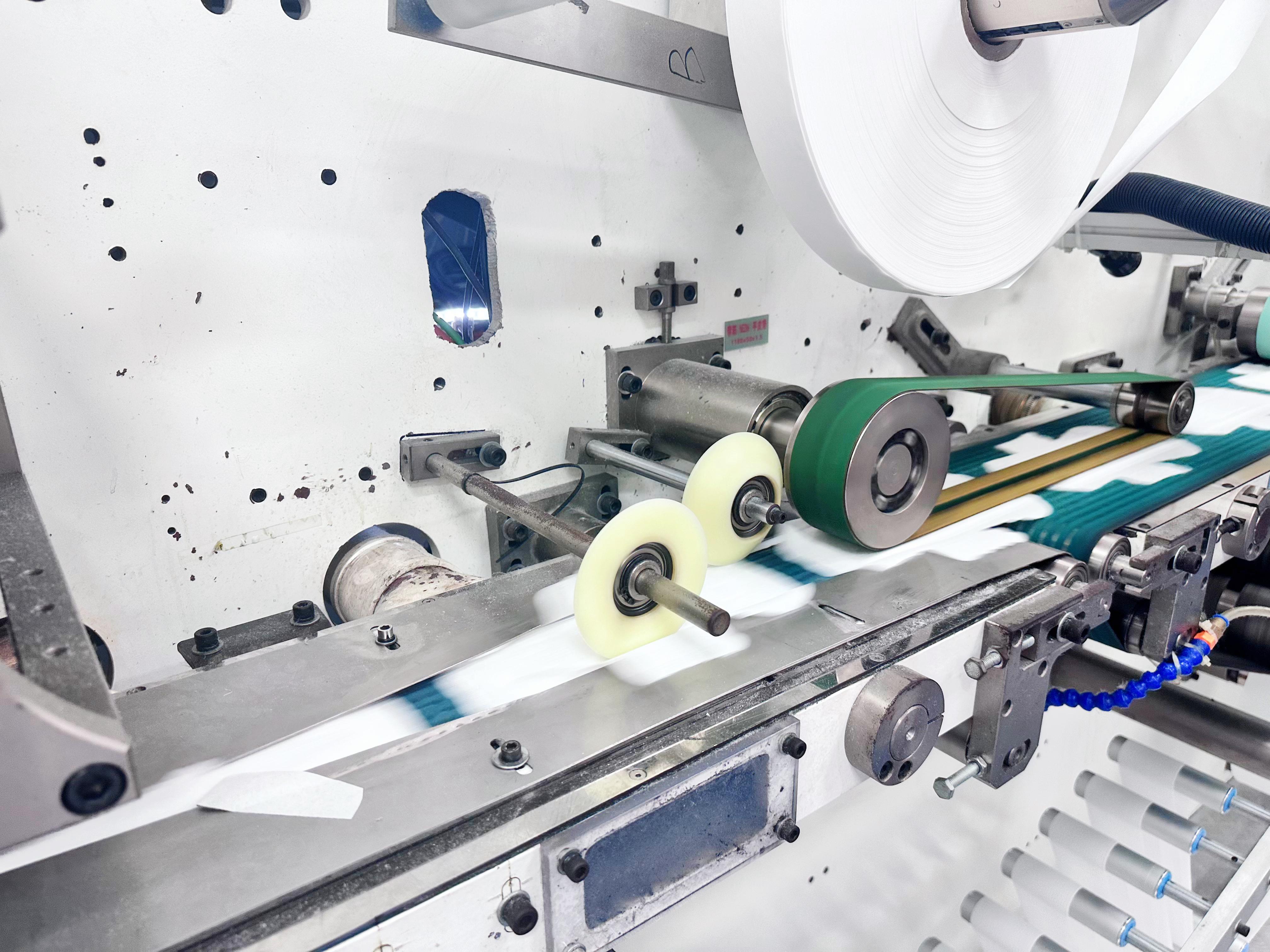
Most private-label organic pad ranges are built in the wrong order: material first, supplier second, and format last — usually after a buyer discovers that one pad size cannot cover a full menstrual cycle. This article ranks four formats — daytime pads, overnight pads, extra-long overnight pads and disposable period pants — in the sequence a new brand should add them, using a documented Taiwan private-label case in which an emerging feminine care brand moved from a single size to a full range across four rounds of customized sampling, then placed a 40HQ full-container order and stayed in a three-year repeat-order partnership with New Upward SC (Guangdong) Co., Ltd.
The Ranking at a Glance
The order below is a build sequence, not a market-performance claim. Each format is ranked by four practical criteria: how much consumer retention depends on it, how much absorbency engineering it consumes, how many sampling rounds it typically absorbs, and how it affects container economics at 40HQ scale.
Key takeaways
- Format order matters more than SKU count: a three-format lineup built in the right sequence outperforms a five-format lineup built at random.
- The Taiwan programme settled cooling formulation and topsheet material selection during sampling, not after the 40HQ order was confirmed.
- One supplier can cover daytime, overnight, extra-long overnight and period pants — but only if the format map is agreed before the first sample is cut.
Why a Single-Size Launch Stalls (Problem Definition)
A single-size launch looks efficient on paper: one pad, one wrapper, one carton specification, one lower minimum order quantity. In practice it creates three predictable problems within the first two selling cycles.
Coverage gaps. One size cannot serve light-flow days, daytime use, sleep and heavy-flow nights at the same time. Consumers who buy a trial pack and find no overnight option usually do not return for a second pack; they return to the brand they already trust for the nights.
Channel resistance. Supermarkets and pharmacies plan shelf space by use occasion, not by supplier. A listing conversation that begins with a single day-use pad has less to merchandise than one that offers a daytime format, an overnight format and a period pant in a unified visual system.
Restart costs. Every format added later reopens decisions that were already closed: topsheet material, absorbent core, backsheet, wrapper, pouch count, carton marks and label language. A format added after print approval costs materially more than a format added during sampling.
The Taiwan case in this article is a direct answer to that pattern. The brand did not add formats randomly; it expanded from one size to a full range in a fixed sequence, with each round of customized sampling closing a specific variable.
Industry Background: What Is Changing in Organic Feminine Care
The format question is arriving at buyers later than the material question, and the market data explains why. Organic and biodegradable period care has moved from a niche shelf to a category that supports multi-format private-label programmes.
TechSci Research projects the global organic sanitary napkins market to reach USD 3.02 billion in 2025, with a forecast path from USD 3.02 billion in 2025 to USD 4.51 billion by 2031. The biodegradable segment is growing faster still: Mark & Spark Solutions reports a compound annual growth rate of 20.1% between 2024 and 2030 for biodegradable sanitary napkins, reaching USD 8.54 billion by 2030. Dataintelo places Asia Pacific at a 38.6% revenue share of the biodegradable sanitary napkin market in 2025 — relevant context for a Taiwan brand building a regional range before scaling to export.
Two regulatory and trade details shape format planning as much as demand does. Sanitary towels and tampons sit under HS code 9619.00, so additional formats do not change the tariff classification of the shipment, only its carton and pallet configuration. And in the United States, the FDA Quality Management System Regulation (21 CFR Part 820), which incorporates ISO 13485:2016, takes effect on February 2, 2026 for menstrual products — a reminder that quality-system evidence, not just product claims, is increasingly part of the buyer's file.
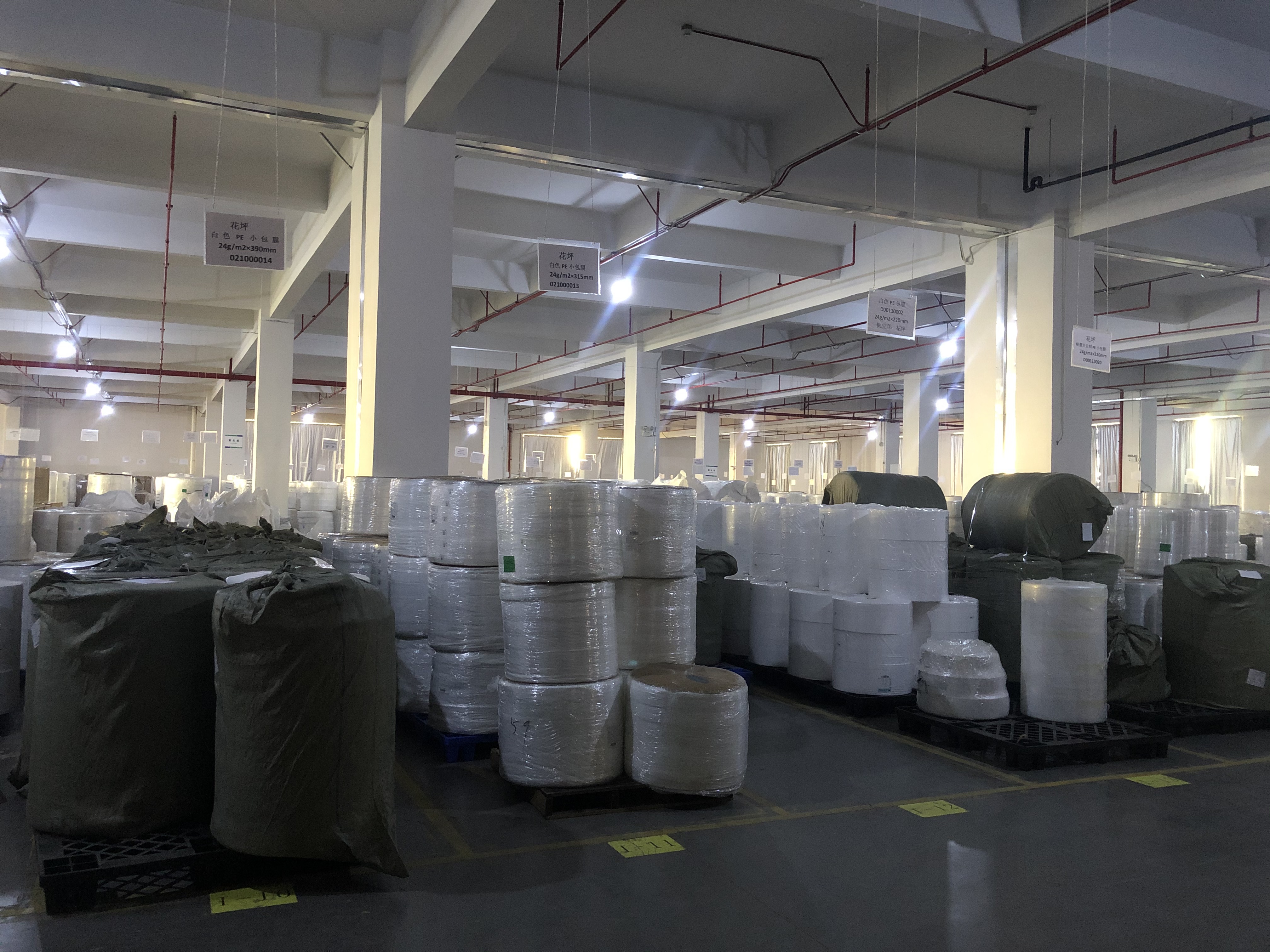
New Upward SC (Guangdong) Co., Ltd., referred to as Newupward, is a feminine care and disposable hygiene manufacturing and service provider founded in 2017, operating a 200,000 m² facility with 100 employees, an annual output of 5,000,000,000 pads and a 10+ engineer R&D team. Around 80% of its output is exported, serving Europe, North America, the Middle East, Africa, Southeast Asia, Central Asia and South America. Its relevance to this ranking is structural: the company covers sanitary pads, panty liners, menstrual pants, tampons, disposable underwear and maternity pads under one coordination model, which is what allows a format sequence to be planned rather than improvised.
The Detailed Solution: How the Taiwan Brand Built the Range
The Taiwan programme began with a single day-use pad from an emerging feminine care brand and ended with a full-format line supplied under a three-year repeat-order partnership. The path between those two points is the reason the ranking above holds.
Four rounds of customized sampling carried the expansion. They were not cosmetic iterations: each round compared organic cotton and bamboo fiber topsheets, absorbency and core configurations, and a cooling formulation option side by side, so that the format map and the material map were decided together rather than sequentially. Cooling formulation and topsheet selection were assessed in the same rounds because both change how a format feels in use, and both are far cheaper to settle before artwork than after print approval.
The programme moved to 40HQ full-container procurement once the lineup was fixed, with development and delivery coordinated between the brand and the supplier rather than split across multiple vendors. The format-by-format logic below reflects that sequence.
Format 1 — Daytime pads: the specification baseline
Daytime pads come first because they define the sensory standard the rest of the range must match. On the NU07 organic sanitary pad platform, daytime use is one of four available types — panty liner, day use, night use and extra-long night — built as a winged disposable pad with a 100% organic cotton topsheet, a fluff pulp and SAP absorbent core, and a breathable PE film or biodegradable film backsheet option. Size is customizable by project, and packaging covers individual wrapper and pack count.
In the Lilimolone Ultra-Thin Bamboo Sanitary Pads line, the equivalent daytime reference is the 245 mm format, with a bamboo fiber nonwoven topsheet over a high-absorbency pulp/SAP core and a breathable leak-proof PE backsheet. Buyers who want to compare material routes usually run one daytime format in organic cotton and one in bamboo fiber before committing the rest of the range, because topsheet feel is the variable consumers notice fastest and describe most clearly in reviews.
Format 2 — Overnight pads: the retention format
Overnight pads rank second because they determine whether a trial buyer becomes a repeat buyer. The bamboo line references 290 mm for this role; the NU07 platform covers it as the night use type, with the same core and backsheet options as the daytime format. Breathability and anti-leakage construction matter more here than thickness, which is why the overnight format is usually the second sample approved rather than the first.
The practical decision for a private-label buyer is not which overnight pad is “best” in the abstract, but whether the overnight format shares the same topsheet, core and wrapper system as the daytime format. Shared components reduce sampling time and simplify the carton specification; different components buy performance but add a development track.
Format 3 — Extra-long overnight pads: the coverage completer
Extra-long overnight pads are the third addition because they serve a narrower occasion: heavy-flow nights and consumers who have already been disappointed by a standard overnight pad. The NU07 platform lists them as a distinct type (extra-long night), with size customized per project. Because the format is a separate size and typically a separate wrapper and pack count, it is the point at which buyers usually re-check carton quantity and pallet planning rather than product specification.
Not every brand needs this format in the first container. It earns its place when the target market skews toward heavy-flow positioning, or when the retail listing requires a visible ladder from day to night to extra-long.
Format 4 — Disposable period pants: the range completer
Disposable period pants close the lineup. In the Newupward product system, menstrual pants are built around a full-coverage design and are positioned for overnight protection, heavy-flow days, frequent movement during sleep, and situations where changing is inconvenient. They carry the highest unit value and the longest development path, which is why they rank last in sequence but not in importance: a period pant is often what makes a range look complete to a pharmacy buyer.
Because the format behaves differently in use from a pad, it should be sampled as its own project rather than as a size extension. Fit, coverage and packaging count all need separate confirmation, and the retail pouch usually carries a different information set.
Panty liners sit outside this ranking as an adjacent SKU rather than a cycle-coverage format. The bamboo line covers them at 155 mm, and the NU07 platform lists panty liner as an available type — useful as an add-on once the four core formats are stable.
Step-by-Step: Building the Four-Format Lineup
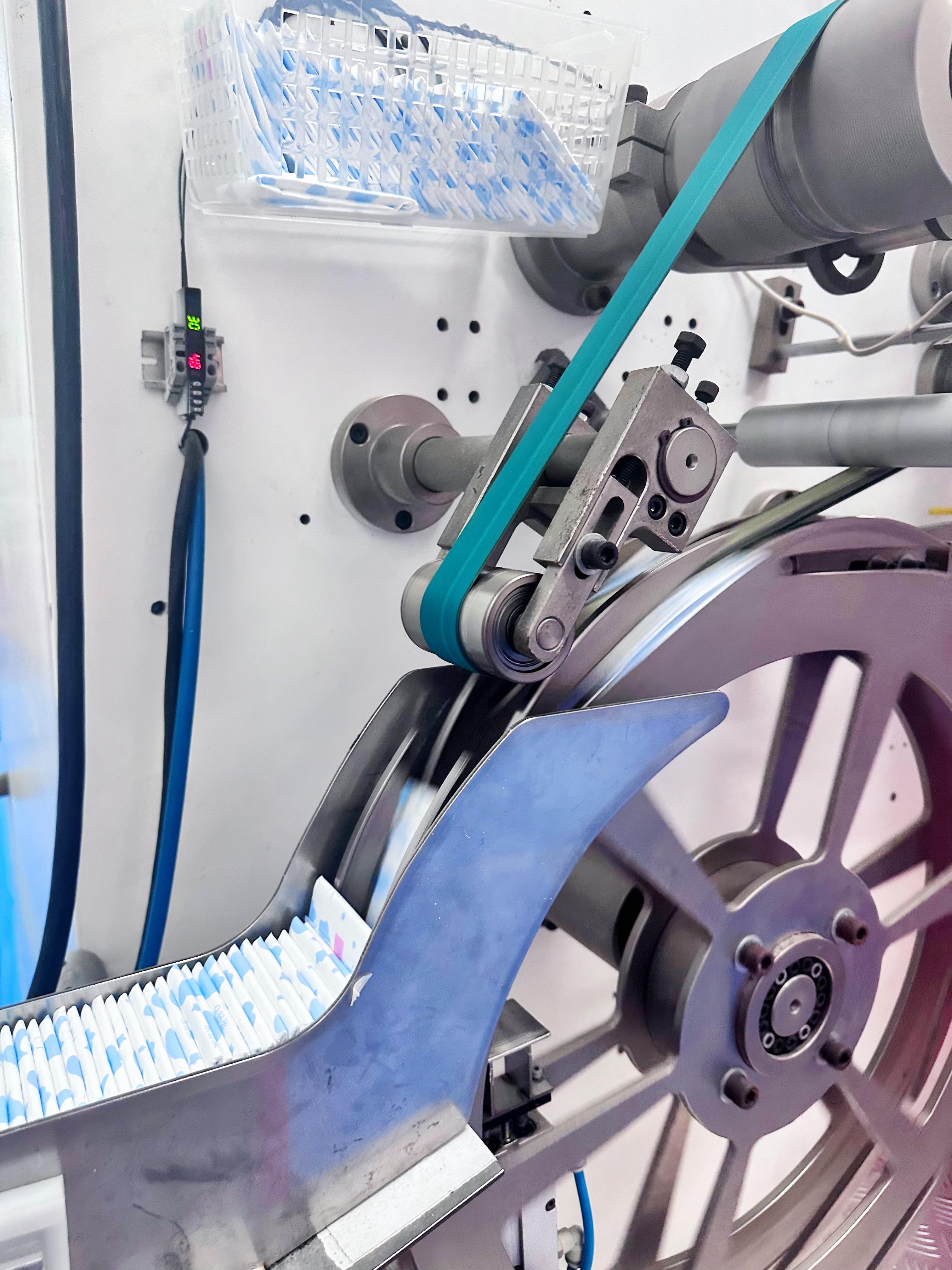
The Taiwan programme followed a repeatable sequence. Buyers can apply the same six steps regardless of which supplier they shortlist.
- Map formats to occasions before mapping them to sizes. List the use occasions the target market actually buys for — daytime, sleep, heavy-flow nights, low-change situations — then assign one format to each. Size follows occasion, not the reverse.
- Choose the material route per format, not per brand. Organic cotton and bamboo fiber can coexist in one range. On the NU07 platform the organic route uses a 100% organic cotton topsheet; the Lilimolone bamboo line uses a bamboo fiber nonwoven topsheet across 155 mm, 245 mm and 290 mm. Deciding material per format avoids a costly mid-project reset.
- Fix absorbency, core and backsheet in writing. NU07 specifies a fluff pulp and SAP core with a breathable PE film or biodegradable film backsheet option; these are the parameters that most often change between a sample and a production run if they are not documented.
- Run sampling rounds that each close one variable. The Taiwan brand used four rounds of customized sampling, separating topsheet material, absorbency configuration, cooling formulation and packaging decisions so that no round reopened an earlier answer.
- Lock packaging, label language and documentation together. Private-label packaging should confirm product name, size, count, absorbency level, material highlights, usage type, barcode, batch information and market language before print. Compliance references — CE Declaration of Conformity, EU Representative Agreement, Halal Certificate, FSC Chain of Custody, GOTS or OCS material scope certificates, and product test reports — should be gathered at this stage, not after the order.
- Scale to full-container procurement and set the repeat-order rhythm. Once formats are stable, the programme moves to 40HQ full-container procurement with coordinated development and delivery. Repeat orders are then a reorder of approved specifications rather than a new development cycle — the pattern behind the three-year repeat-order partnership in the Taiwan case.
Use Cases: Matching Formats to Sales Channels
Format ranking shifts slightly by channel, even though the underlying sequence stays the same.
- Pharmacy channel. Buyers here read labels and ask for documentation. A daytime pad plus an overnight pad, supported by product test reports and clear material statements, usually opens the conversation; period pants extend it.
- Supermarket and retail chains. Shelf logic rewards a visible ladder: daytime, overnight, extra-long overnight, period pants. A unified visual system with clear size, count and flow icons does more for sell-through than an extra low-volume SKU.
- E-commerce and subscription kits. Format mix matters more than pack size. A kit that pairs daytime and overnight pads, with period pants as an upgrade tier, matches how subscription buyers actually consume the category.
- Sensitive-skin and organic positioning. Organic cotton biodegradable pads are positioned for premium feminine hygiene retail, organic personal care brands and sensitive-skin menstrual care — segments where material safety and skin-friendliness carry more weight than format count.
- Distributor portfolios. Distributors covering several retail channels usually need all four formats plus panty liners, and evaluate suppliers on whether one partner can hold the whole range rather than on any single SKU.
Comparison Table: Formats and Material Options
The table below uses only documented product parameters from the NU07 organic sanitary pad platform, the Lilimolone Ultra-Thin Bamboo Sanitary Pads line and the Newupward product system. It compares formats on the criteria that drive a private-label build sequence.
| Format | Size reference in documented lines | Documented construction options | Best-fit use moment | Priority in a first private-label order |
|---|---|---|---|---|
| Panty liner (adjacent SKU, not ranked) | 155 mm in the Lilimolone Ultra-Thin Bamboo line; panty liner also an NU07 available type | Bamboo fiber nonwoven or 100% organic cotton topsheet; pulp/SAP core; breathable PE backsheet | Light-flow days, end of cycle, daily freshness | Optional add-on after the four core formats |
| Daytime pad | 245 mm in the bamboo line; NU07 day use type, size customizable by project | Organic cotton or bamboo fiber topsheet; fluff pulp and SAP core; breathable PE film or biodegradable film backsheet option | Daytime wear, commuting, school, work | Rank 1 — build first |
| Overnight pad | 290 mm in the bamboo line; NU07 night use type | Same core and backsheet options; anti-leakage construction | Sleep and overnight protection | Rank 2 — build second |
| Extra-long overnight pad | NU07 extra-long night type, size customizable by project | Organic cotton topsheet with fluff pulp and SAP core; backsheet option as above | Heavy-flow nights | Rank 3 — build third |
| Disposable period pants | Menstrual pants within the Newupward product system; specifications confirmed per project | Full-coverage design for leak protection | Overnight, heavy-flow days, frequent movement during sleep, situations where changing is inconvenient | Rank 4 — build fourth |
Specifications vary by project. Sizes, absorbency levels, backsheet type and pack counts should be confirmed on the approved sample and specification sheet before mass production.
A second comparison decides the material layer. For buyers weighing organic cotton against bamboo fiber across the same four formats, the practical distinction is positioning and evidence rather than a single performance number.
| Decision area | Organic cotton route (NU07 platform) | Bamboo fiber route (Lilimolone Ultra-Thin Bamboo line) |
|---|---|---|
| Topsheet | 100% organic cotton | Bamboo fiber nonwoven |
| Core | Fluff pulp and SAP | High-absorbency pulp/SAP core |
| Backsheet | Breathable PE film, or biodegradable film option | Breathable leak-proof PE film |
| Documented evidence | Product test reports, skin-contact safety references, material certificates where applicable | Test Report No. 260059776; antimicrobial activity references 2025FM19954R01E and 210285558 for bamboo fiber material |
| Typical positioning | Premium, organic and sensitive-skin menstrual care | Soft, breathable, ultra-thin positioning with documented material testing |
| Commercial note | Higher material, packaging and certification cost than conventional pads, offset by differentiation and premium pricing potential | Material-claim support depends on verified test scope and target-market labeling rules |
Antimicrobial test references describe material-level activity and do not by themselves support medical or disease-prevention claims. Claim wording should follow the target market’s labeling rules.

FAQ
1. Which compliance documents should a private-label buyer confirm before finalizing a multi-format pad range?
Confirm the documents that match the target market, and confirm them before packaging artwork is approved. Commonly requested references include a CE Declaration of Conformity for EU market support, an EU Representative Agreement, a Halal Certificate for Muslim markets, FSC Chain of Custody for FSC mix pulp supply, GOTS or OCS material scope certificates for organic cotton supply chains, factory system certificates such as ISO 9001 and ISO 14001, and product-specific test reports for hygiene and skin-contact performance. For the United States, note that the FDA Quality Management System Regulation (21 CFR Part 820), which incorporates ISO 13485:2016, takes effect on February 2, 2026 for menstrual products. Certificate numbers, issuing bodies, validity periods and covered product scope should be listed explicitly rather than supplied as screenshots.
2. Can one supplier deliver daytime pads, overnight pads, extra-long overnight pads and period pants in a single programme?
Yes, where the supplier’s product system covers both pad formats and menstrual pants. New Upward SC (Guangdong) Co., Ltd. covers sanitary pads, panty liners, menstrual pants, tampons, disposable underwear and maternity pads, which allows a four-format lineup to be coordinated under one specification process. Its NU07 organic sanitary pad platform already lists panty liner, day use, night use and extra-long night as available types on a single winged disposable construction. Capability should still be verified against the buyer’s own format list: ask whether samples, material options, certificate references, packaging artwork, carton details and shipment documents can be handled together, and whether the supplier can flexibly match production sites and capacity to the category, order quantity and lead time.
3. How should a buyer compare budget across formats instead of comparing a single pad price?
Compare quotations only after fixing the same size, thickness, topsheet, absorbent core, SAP level, packaging type, MOQ, certificate requirements, carton quantity and shipment terms. A lower unit price usually reflects a different material, absorbency level, packaging count or documentation scope. Organic cotton biodegradable pads generally carry higher material, packaging and certification costs than conventional pads, and that gap is offset by stronger product differentiation and premium pricing potential in organic, pharmacy and sensitive-skin channels. At full-container scale, the format mix — not the per-pad price — drives the landed cost, so ask for a quotation that separates formats rather than an averaged figure.
4. How many customized sampling rounds should a four-format lineup plan for?
The Taiwan private-label programme in this article used four rounds of customized sampling to move from a single size to a full range. Each round closed one variable rather than testing everything at once: topsheet material, absorbency and core configuration, the cooling formulation option, and packaging. That structure is worth copying, because reopening a closed variable after artwork approval is the most common cause of delay. For bamboo fiber projects, buyers can also request the underlying test references — Report No. 260059776 for Lilimolone Ultra-Thin Bamboo Sanitary Pads, and Report No. 2025FM19954R01E and Report No. 210285558 for bamboo fiber antimicrobial activity — so that material claims are checked during sampling rather than after the order.
5. What lead-time and repeat-order pattern should a growing brand expect?
Treat the first container as a development project and later containers as a reorder. Once the four formats are sampled, documented and packed, the programme can move to 40HQ full-container procurement with coordinated development and delivery. The Taiwan case ran on a three-year repeat-order partnership, which reflects the operational point: repeat orders work when specifications, artwork and documentation are already approved and stored, so the supplier is reproducing a fixed record rather than re-interpreting a brief. Before placing the first bulk order, confirm sample lead time, mass-production lead time, inspection arrangements, carton and pallet plan, and the documentation package; then hold those references as the baseline for every reorder. Requesting a sample set that covers daytime, overnight, extra-long overnight and period pants together is the fastest way to see how the four formats read as one range — the New Upward team can prepare that sample direction and a quotation structured by format.
Conclusion
For a private-label organic pad launch, format sequence is a decision that compounds. Daytime pads set the sensory baseline, overnight pads carry retention, extra-long overnight pads close the heavy-flow gap, and disposable period pants complete the range for pharmacy, retail and subscription channels. Built in that order, each format reuses approved material, core and packaging decisions instead of reopening them.
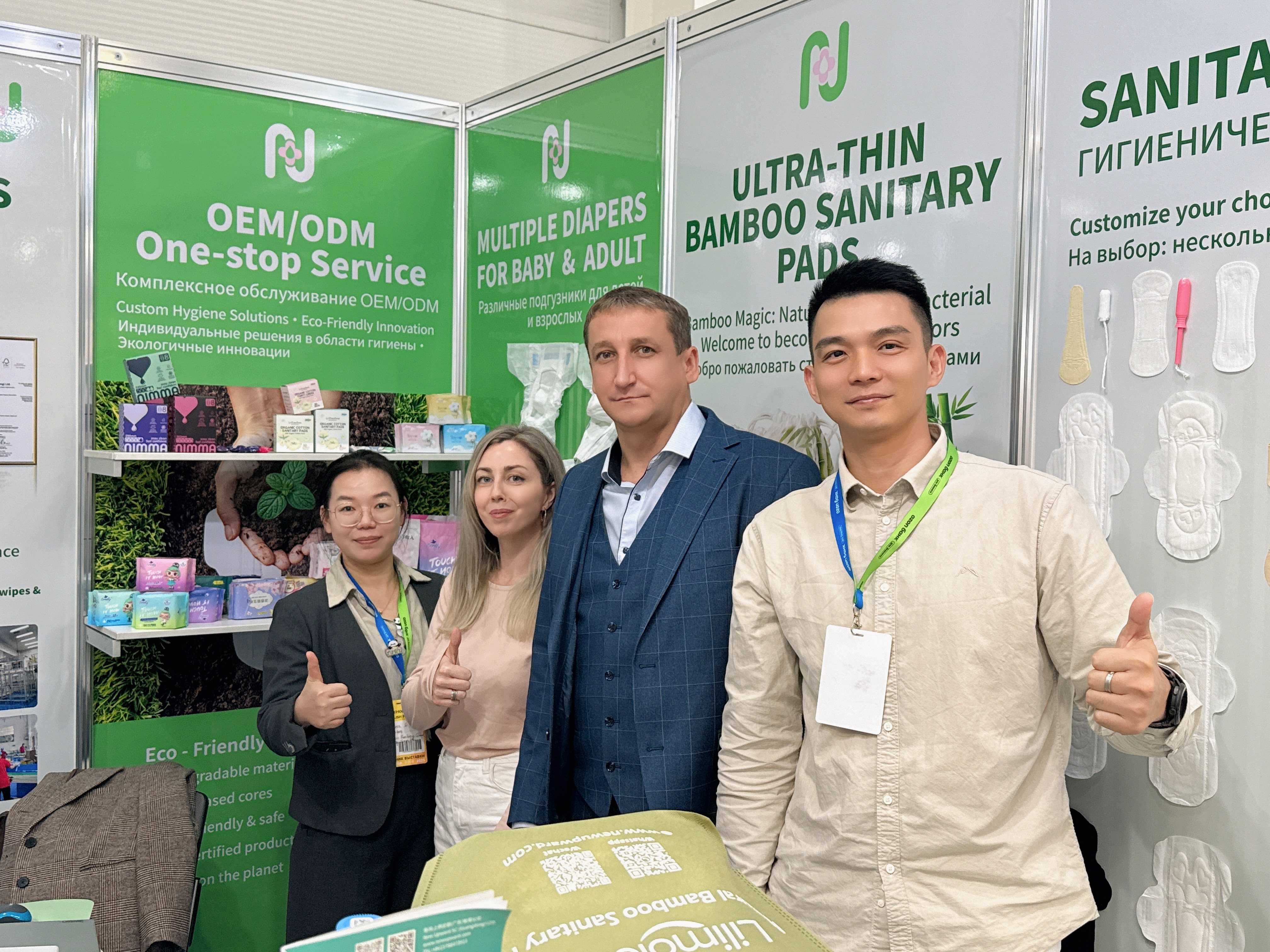
The Taiwan programme shows what the sequence looks like in practice: four rounds of customized sampling that settled topsheet material, absorbency and cooling formulation before print; a 40HQ full-container order once the lineup was fixed; and a three-year repeat-order partnership that turned the approved specifications into a repeatable supply rhythm. New Upward SC (Guangdong) Co., Ltd. supports that path with OEM/ODM specification confirmation, private-label packaging, compliance document support, stable batch supply and repeat-order service across the NU07 organic cotton platform, the Lilimolone Ultra-Thin Bamboo Sanitary Pads line and menstrual pants.
Next step: review the formats before you fix the range
Share your target market, channel and intended format list, and New Upward can respond with product options, sample direction, packaging coordination and certificate references for each format. The full sanitary pad catalogue, including format and specification references, can be downloaded here: New Upward sanitary pad e-catalogue (PDF).
Supplier profile and contact: www.newupward.com | Email: info@newupward.com | WhatsApp: +86 157-9847-3913
Source notes: market sizing from TechSci Research (organic sanitary napkins, 2025–2031) and Mark & Spark Solutions (biodegradable sanitary napkins, 2024–2030); regional share from Dataintelo (2025); HS classification from Descartes Datamyne; FDA QMSR effective date from published regulatory summary. Product parameters, test report numbers and company data are drawn from New Upward / Newupward documentation. Specifications are confirmed per project.
Have Questions or Need More Details?
Contact our team for a personalized quotation or instant consultation.
Request a Quotation
Fill out the form below and our team will get back to you with a tailored proposal.
WhatsApp Direct Chat
Prefer to chat in real-time? Message us on WhatsApp for instant assistance & quick answers.
- Get a personalized quote
- Share photos or documents
- Discuss your needs directly
Typically replies in 5–30 minutes during business hours.