
Eco Friendly Organic Sanitary Pads: Partnership Buyer FAQ
Eco friendly organic sanitary pads become a different sourcing problem when a buyer is not placing one trial order but building a range for repeat sale. The first quotation answers what a pad costs. A long-term partnership has to answer what happens when the second order arrives, when a size is added, when a packaging claim needs evidence, and when a quality question must be traced to a batch.
This buyer FAQ focuses on those questions: sampling, purchasing terms, acceptance criteria, repeat orders and after-sales support. It uses the documented Taiwan private-label case, in which an emerging feminine care brand completed four rounds of customized sampling before the first order, continued cooperating for more than three years as documented in August 2026, and expanded from one size into daytime, overnight and extra-long sanitary pads plus disposable period pants. The same record states that the cooperation developed without an in-person meeting, which makes documented coordination central to the case.
New Upward SC (Guangdong) Co., Ltd., referred to as Newupward, is an integrated disposable hygiene product manufacturing and service provider focused on feminine care. Its supplied capabilities combine product development, coordinated manufacturing, packaging design, quality management, market support and global delivery. The company was founded in 2017 and works from a 200,000 m² operation with 10+ engineers, serving brands, importers, distributors, retail chains and private-label programs.
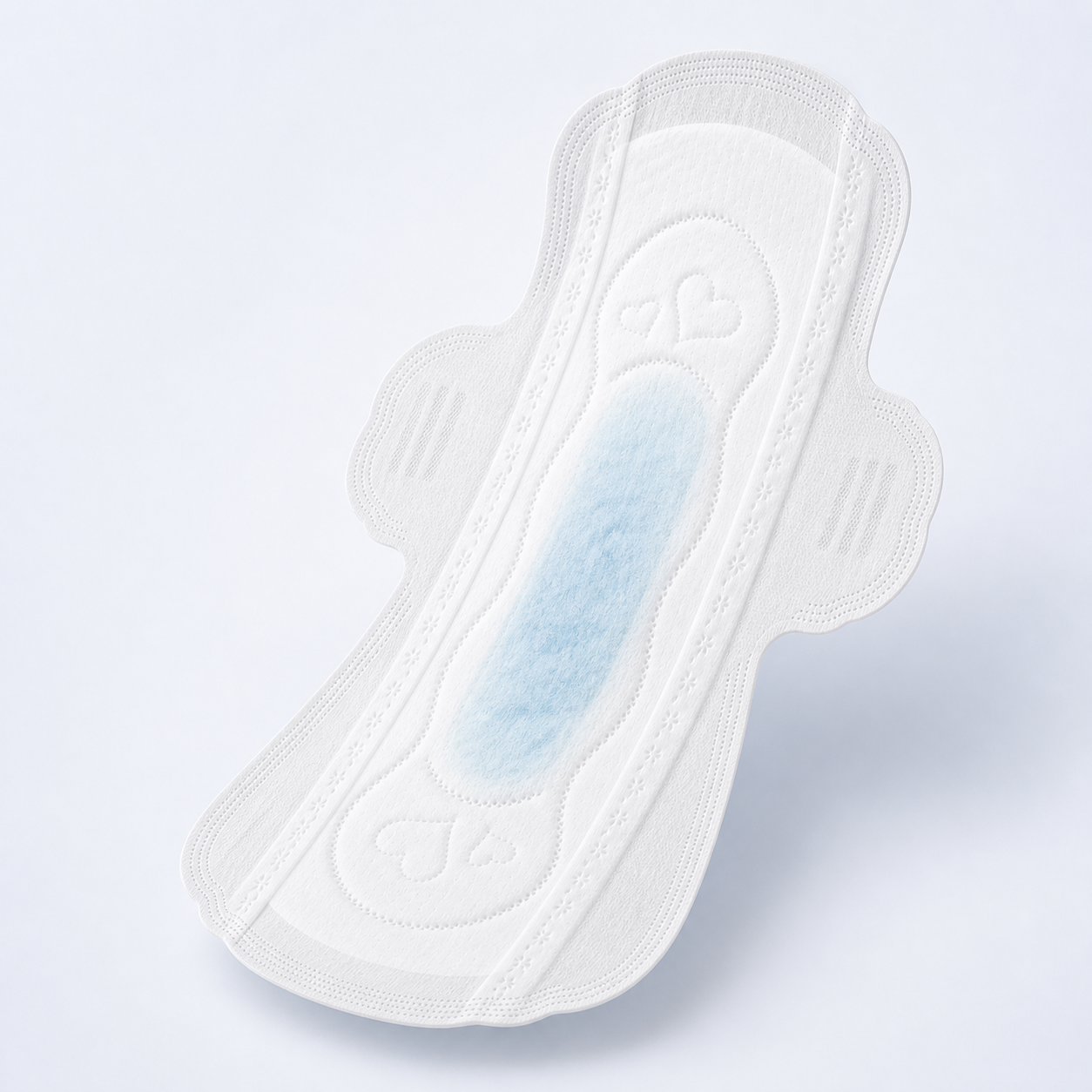
Why a long-term organic pad partnership is not a price-only decision
A repeat-order relationship depends on a specification that can be reproduced. For organic sanitary pads, that specification includes the absorbent structure, topsheet, backsheet, wrapper, pack count, packaging artwork and the evidence supporting any organic or environmental claim. If those points are not fixed, a second order can become a new development project rather than a repeat purchase.
The Taiwan case illustrates the difference between activity and control. Four rounds of customized sampling took place before the first order. The development addressed cooling sensation, comfort and consistent product quality, and included selection of topsheet and absorbent-core materials together with a customized cooling formulation. The case did not begin with a finished catalogue item and a price alone; it began with a product brief that had to be translated into materials and samples.
That does not prove that every long-term project requires four rounds. It shows what happened in one documented private-label program. The buyer lesson is more general: each sampling round should end with a recorded decision, and each purchasing term should refer back to the approved version. Without that discipline, a supplier may be able to make a good first sample but not a repeatable second order.
Industry context: growth makes supplier discipline more important
TechSci Research reported the global organic sanitary napkins market at USD 3.02 billion in 2025, with a projection to USD 4.51 billion by 2031. Mark and Spark Solutions projected a 20.1% CAGR for the biodegradable sanitary napkins segment between 2024 and 2030, while Dataintelo reported that Asia Pacific held a 38.6% revenue share of the biodegradable sanitary napkins market in 2025. These are source-reported market figures, not a forecast for any individual brand or purchase order.
For procurement teams, the practical meaning is not that every organic pad line will grow at the same rate. It is that more buyers are asking for material evidence, packaging claims, format range and repeat supply in the same project. A supplier that can only quote a pad size but cannot support samples, acceptance checks and after-sales coordination creates risk precisely where the category is becoming more demanding.
The supplied product range reflects that breadth. Organic cotton sanitary pad specifications such as NU07 include a winged disposable format, panty liner, day-use, night-use and extra-long night types, customizable sizes, a fluff pulp and SAP absorbent core, an organic cotton topsheet, and a breathable PE film or biodegradable film backsheet option. The range also includes Lilimolone Ultra-Thin Bamboo Sanitary Pads in 155 mm, 245 mm and 290 mm, using a bamboo fiber nonwoven topsheet and a high-absorbency pulp and SAP core. These are product options, not proof that every configuration fits every market.
The partnership checklist: seven questions to settle before sampling
A buyer does not need to solve every commercial question before requesting a sample. The buyer does need to know which questions the sample is meant to answer. The following checklist keeps the project grounded in the supplied product and capability facts.
- Product scope. Confirm whether the line needs organic cotton, bamboo fiber, a biodegradable film option, panty liners, day-use pads, night pads, extra-long pads, disposable period pants, or a combination. The Taiwan case expanded from one size into daytime, overnight and extra-long sanitary pads plus disposable period pants in different sizes, so range logic should be considered early.
- Material and claim scope. Separate the organic material claim from the biodegradable component claim. NU07 offers an organic cotton topsheet and a biodegradable film option for the backsheet, but an option is not the same as a whole-product claim. Ask which layer, material and certificate scope support each statement.
- Sample version. Record the exact size, topsheet, absorbent core, SAP level, wings, backsheet, wrapper, pack count and artwork version tested. A sample that cannot be identified cannot be approved for production.
- Acceptance protocol. Agree how incoming materials, in-process production, absorption, rewet, leakage, finished-goods sampling, packaging and batch traceability will be checked.
- Purchasing terms. Fix MOQ, carton quantity, price basis, sample cost, lead time and inspection arrangements against the approved specification, not against a generic catalogue description.
- Packaging and export documents. Confirm retail bag, individual wrapper, display box, master carton, barcode, language and any required market documentation before artwork is released.
- After-sales and repeat plan. Agree who follows order status, export documents, logistics, quality-issue investigation and repeat-order changes. These are operational questions, not a promise of a particular service level.
Sampling: what four rounds are meant to resolve
The supplied sample-development lead time is 5-15 working days. The Taiwan case used four rounds of customized sampling before the initial order. That sequence makes sense when a buyer is asking for a distinctive feel or function, because the first round may confirm direction while later rounds resolve material, fit and consistency questions. The case specifically refers to cooling sensation, comfort and consistent quality, with topsheet and absorbent-core material selection and a customized cooling formulation.
A useful sampling plan does not count rounds for their own sake. It defines what must be learned in each round. One round may compare topsheet options. Another may adjust the absorbent core or SAP level. Another may check the wrapper, pack count or artwork. A later round may confirm that the approved combination can be reproduced. In the Taiwan case, the four rounds preceded the first order, which is the important control point: the buyer and supplier were aligning a specification before bulk supply, not discovering basic differences after launch.

For organic and eco-positioned lines, the sample review should also test the claim language against the material reality. If the packaging says organic, the buyer should know which material is covered. If it says biodegradable, the buyer should know which component has that option and what evidence is available. A sample that performs well but carries an unsupported claim is not a complete approval.
Purchasing terms: fix the operating variables, not just the unit price
Sanitary pad quotations are difficult to compare when the size, thickness, topsheet, absorbent core, SAP level, packaging, MOQ, certificate requirements, carton quantity and shipment terms differ. The supplied guidance is to compare prices only after those variables are matched. A lower unit price can reflect a different material, a lower absorbency target, a simpler wrapper, a larger MOQ or a weaker document package.
The project-specific terms in the supplied capability record are clear enough to plan around. MOQ depends on pad size, materials, packaging printing, pack count and testing requirements, and small trial orders can be evaluated based on available materials and mature specifications. Sample development is 5-15 working days. A new OEM or ODM order is about 25-30 days after specification and artwork confirmation. A repeat order is about 15-20 days. Monthly capacity is approximately 450 million sanitary pads under full-line operation, with actual available capacity depending on product specification, material readiness and production schedule.
These figures should be written into the purchasing record with the exact SKU and packaging version they apply to. A repeat-order lead time is not a promise that every added size will follow the same schedule. A capacity statement is not a reservation of line time. The buyer should ask which assumptions apply to the first order and which apply after the range expands.
Acceptance criteria: write down what a conforming carton must prove
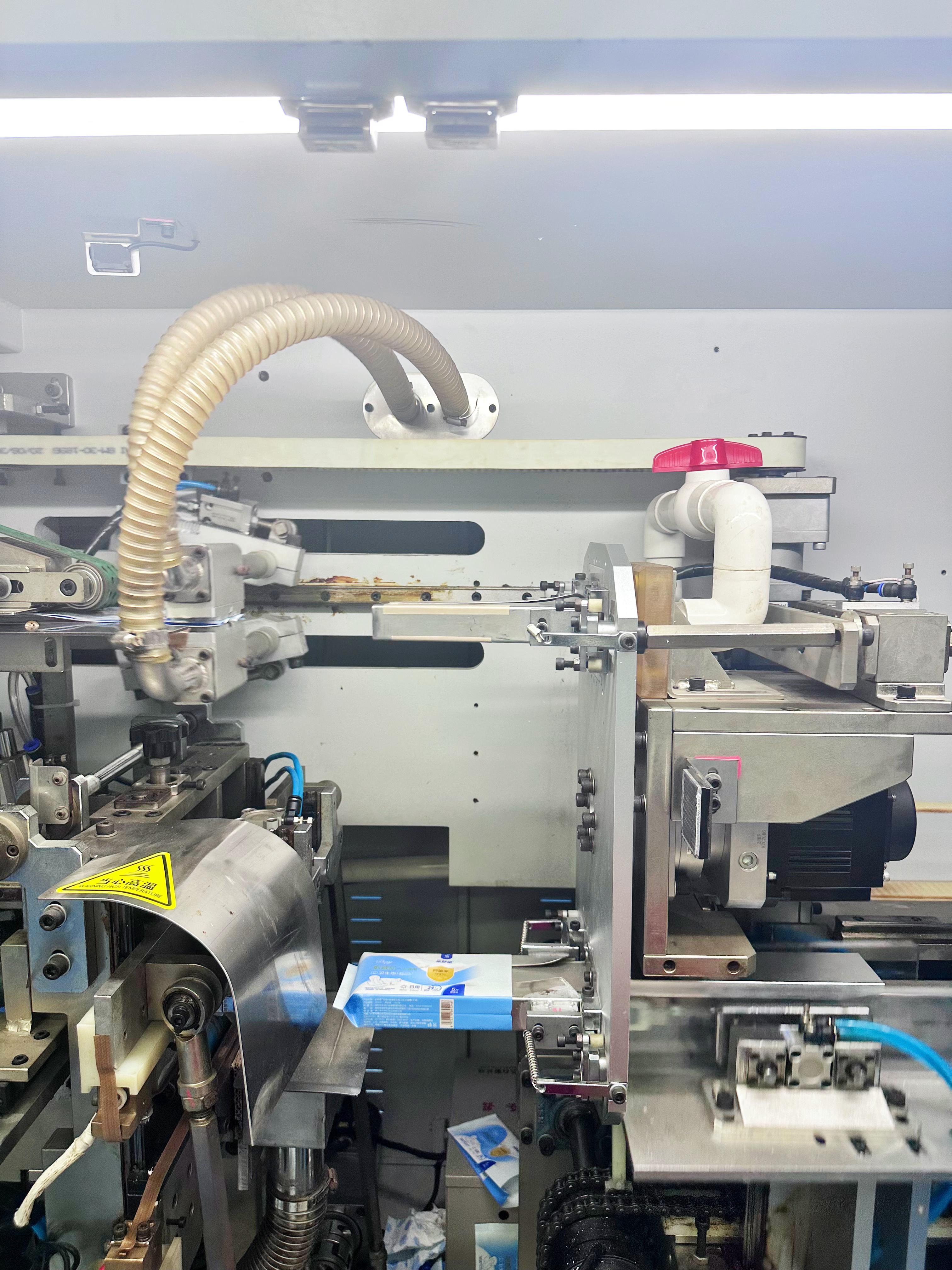
Acceptance criteria turn a sample into a production standard. The supplied quality-control sequence includes incoming material inspection, approved sample control, in-process inspection, absorption, rewet and leakage testing, finished-goods sampling, packaging check, retain samples and batch traceability. These are the checkpoints a buyer can ask to see reflected in the inspection plan.
The approved sample should be the reference for size, shape, thickness, topsheet, core, wings, backsheet, wrapper and pack count. Packaging artwork should be approved separately, because a correct pad in incorrect packaging is still a nonconforming delivery. The buyer should also confirm how retain samples are stored and how a batch can be traced if a question arises after delivery.
Claim check: For an organic cotton claim, ask which material scope is covered and which certificate or transaction evidence supports it. For a biodegradable claim, ask which component is biodegradable and whether the statement applies to the product or only to an option. For antimicrobial language, ask for the specific material, test method, report number and product scope. A logo alone is not an acceptance criterion.
Market documents need the same discipline. If the destination market requires CE, Halal, FSC or other evidence, the request should name the product, the market and the certificate scope. The buyer should check the issuer, number and validity rather than treating a document image as universal proof. The supplied FAQs describe these as available references to organize where applicable, not as a blanket claim that every product carries every certificate.
After-sales support: documented coordination and supply follow-through
After-sales support for a long-term pad partnership is mostly operational. The supplied after-sales scope includes sample and specification confirmation, packaging and compliance document support, order-status follow-up, export documentation, logistics coordination, quality-issue investigation and long-term repeat-order support. These activities connect the commercial order to the production and delivery record.
The Taiwan case is relevant because the cooperation lasted more than three years without an in-person meeting. The documented support was professional communication, ongoing supply and repeat cooperation as the client broadened its range. That record shows that remote coordination was workable in this case. It does not establish a response-time guarantee, local inventory, on-site technical service or free replacement policy. Buyers should not infer those terms from the case, and should agree any service-level expectation separately.
After-sales claims should therefore stay tied to what can be documented: who receives the issue, which batch and retain sample are checked, which export or packaging document is reviewed, and how the next order is protected. That is more useful than a general promise that the supplier will provide good service.
What the Taiwan private-label case actually shows
The case concerns an emerging feminine care brand in Taiwan, China, specializing in private-label sanitary pads and disposable period pants. The project supported the development and expansion of the client's private-label feminine care range for the Taiwan market. Its application focused on a distinctive cooling experience, with sanitary pads and disposable period pants designed for daytime use, overnight protection and different sizing needs.
The procurement used full-container purchasing with 40HQ containers and covered daytime, overnight and extra-long sanitary pads plus disposable period pants in multiple sizes. The partnership expanded from a single size to a multi-SKU range with repeat orders. Newupward completed four rounds of customized sampling and refinement before the initial order. The development included topsheet and absorbent-core selection and a customized cooling formulation. The result was a repeat-order partnership lasting more than three years, documented in August 2026, with ongoing product development and supply support as the client broadened its portfolio.
The case record does not disclose unit price, defect rate, response times, local inventory or a per-SKU material breakdown. It also does not state that every item in the range used organic cotton. For an organic pad buyer, the transferable evidence is the sampling and coordination model, not an assumption that every SKU in the case was organic. Those limits matter because a buyer should not convert a documented case into a broader product or service claim than the record supports.
From one size to a full range: how repeat orders change the brief
Range expansion is where a partnership is tested. The first order may be one size or a small set; the second order may add daytime, overnight and extra-long pads, then disposable period pants in different sizes. Each addition changes the material consumption, packaging, carton plan, MOQ and sampling requirement. A supplier may be able to repeat the original SKU and still need a new approval for the added format.
The Taiwan case moved from a single size to a broader range that included daytime, overnight and extra-long overnight sanitary pads as well as disposable period pants in different sizes. The case also involved repeat orders over more than three years. For a buyer planning a similar path, the practical sequence is to approve the core SKU, confirm repeat-order lead time, then add formats one at a time with their own sample and packaging approval. The supplied repeat-order lead time is about 15-20 days, but it should be checked against the added SKU and material availability.
Partnership checkpoints: a comparison table for buyers
| Checkpoint | Buyer question | Documented example or supplied term |
|---|---|---|
| Sampling | What must be approved before the first order? | Four rounds of customized sampling preceded the first order in the Taiwan case; sample development is 5-15 working days. |
| Initial purchasing terms | Which variables set the price and schedule? | MOQ is project-specific; a new OEM or ODM order is about 25-30 days after specification and artwork confirmation. |
| Acceptance | How will conformity be checked? | Incoming material inspection, approved sample control, in-process inspection, absorption, rewet and leakage testing, finished-goods sampling, packaging check, retain samples and batch traceability. |
| Repeat orders | How is continuity protected? | Repeat-order lead time is about 15-20 days; the Taiwan cooperation lasted more than three years as documented in August 2026. |
| Range expansion | What changes when a new size is added? | The Taiwan range expanded from one size to daytime, overnight and extra-long pads plus disposable period pants in different sizes; each SKU needs its own confirmation. |
| After-sales | What support is documented? | Sample and specification confirmation, packaging and compliance document support, order-status follow-up, export documentation, logistics coordination, quality-issue investigation and repeat-order support. |
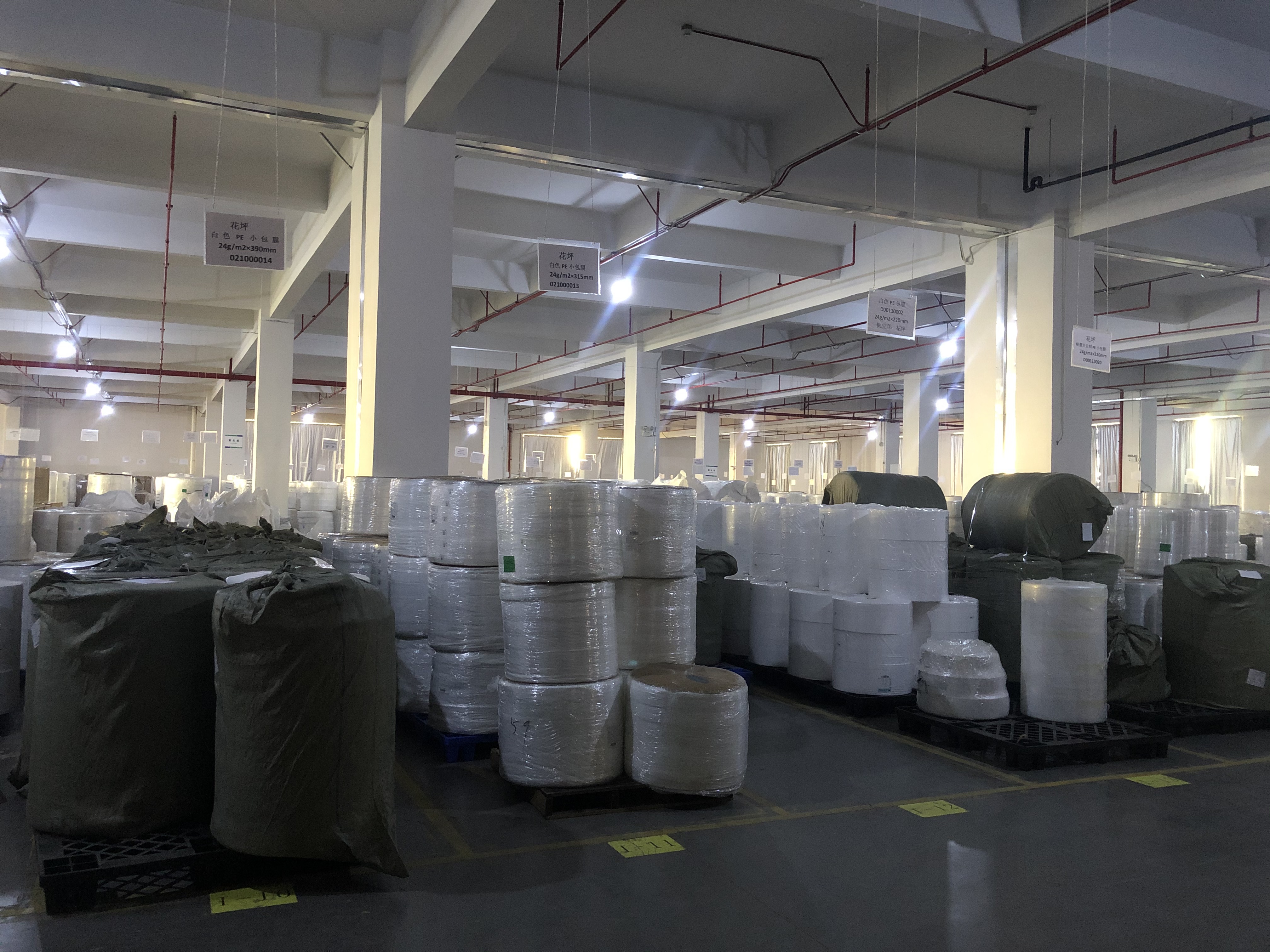
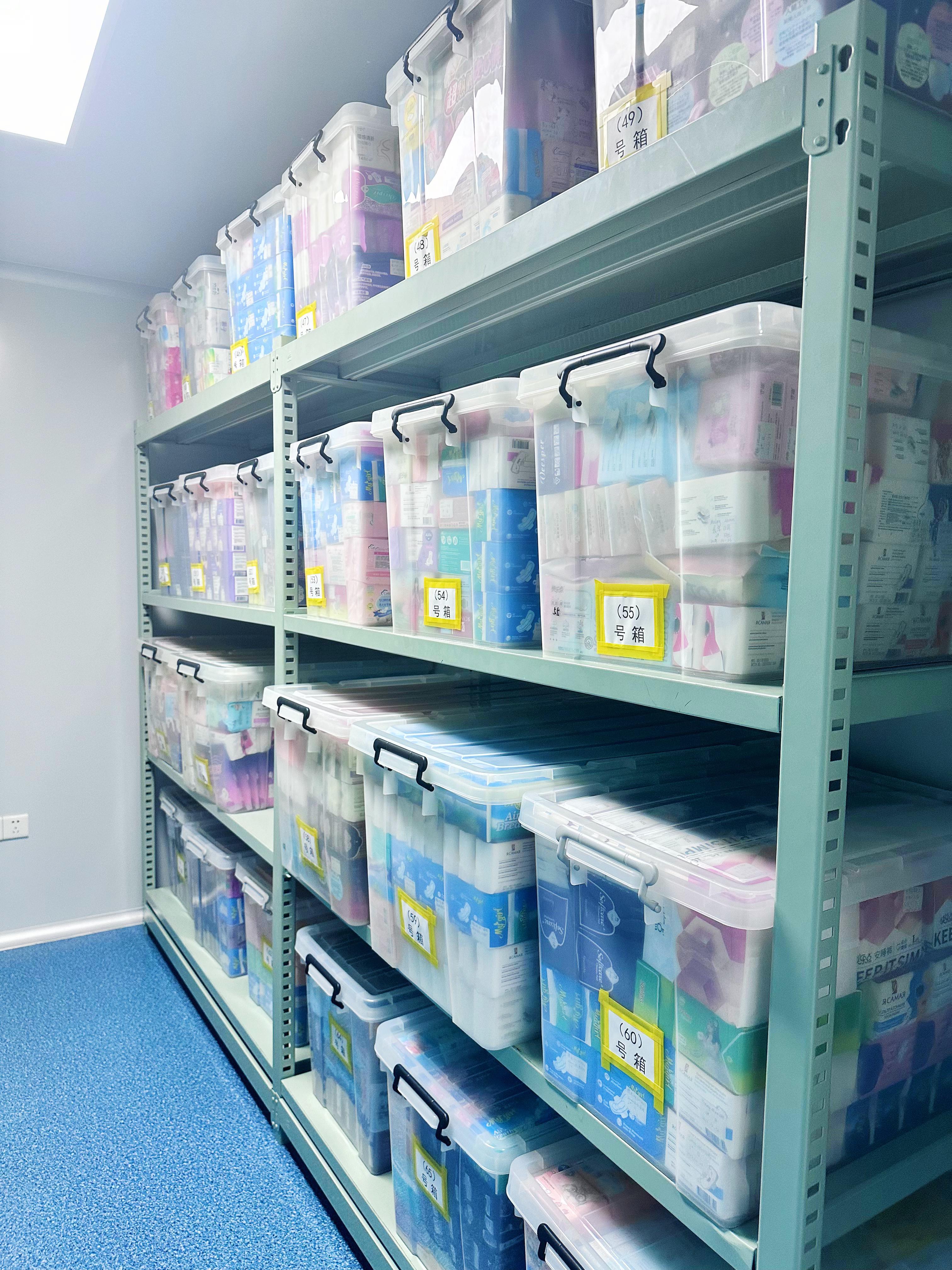
If you are preparing a first sample brief, the sanitary pad catalog provides product and packaging reference points for the discussion.
FAQ: long-term organic sanitary pad partnerships
What should a private-label retailer verify in an organic sanitary pad manufacturer?
The retailer should verify the product scope, sample route, material options, packaging capability, MOQ, lead time, quality-control steps and available certificate or test-report references for the target market. For organic and eco-positioned lines, the buyer should also ask which material is organic, which component is biodegradable, and what evidence supports the packaging claim. Newupward supports OEM and ODM sanitary pad projects with product selection, sample development, packaging coordination, quality management and export support.
How many sampling rounds should a buyer plan before the first order?
There is no universal number. The Taiwan private-label case used four rounds of customized sampling before the initial order to align cooling sensation, comfort, topsheet and absorbent-core choices and consistent quality. The supplied sample-development lead time is 5-15 working days. A useful sampling plan records the exact size, materials, absorbency target, wrapper, pack count and artwork version approved at each round.
Which purchasing terms should be fixed before production?
Fix the product specification first: size, thickness, topsheet, absorbent core, SAP level, wings, backsheet, wrapper, pack count and packaging artwork. Then confirm MOQ, carton quantity, price basis, sample cost, lead time and inspection arrangement. The supplied terms are project-specific MOQ, 5-15 working days for sample development, about 25-30 days for a new OEM or ODM order after specification and artwork confirmation, and about 15-20 days for a repeat order. Capacity is approximately 450 million sanitary pads per month under full-line operation, subject to specification, material readiness and schedule.
What acceptance criteria should be agreed for eco friendly organic sanitary pads?
The acceptance protocol should reference the approved sample and define checks for incoming materials, in-process production, absorption, rewet, leakage, finished-goods sampling, packaging and batch traceability. Retain samples should be kept. Where organic, biodegradable, antimicrobial or skin-contact claims are used, the buyer should ask for the report or certificate scope, number, issuer and validity rather than accepting a logo alone. Any CE, Halal, FSC or market-specific document should be checked for the actual product and destination market.
How do repeat orders and range expansion work after the first shipment?
Repeat orders should start from the approved specification, packaging version and batch records, not from a verbal description. The supplied repeat-order lead time is about 15-20 days. In the Taiwan case, cooperation continued for more than three years as documented in August 2026, and the range expanded from one size to daytime, overnight and extra-long sanitary pads plus disposable period pants in different sizes. Each added SKU still needs its own size, absorbency, packaging, MOQ and sample confirmation.
What after-sales support should a long-term organic pad partner provide?
Supported after-sales work includes sample and specification confirmation, packaging and compliance document support, order-status follow-up, export documentation, logistics coordination, quality-issue investigation and long-term repeat-order support. In the Taiwan case, more than three years of cooperation developed without an in-person meeting, with professional communication, ongoing supply and repeat cooperation. That record does not establish response times, local inventory, on-site service or free replacement, so buyers should agree those points separately. A practical next step is to send the target size, pack count, material direction, artwork status and estimated first-order quantity to info@newupward.com or through the company website.
Conclusion
Long-term eco friendly organic sanitary pad partnerships are built on repeatable evidence: an approved sample, a matched quotation, a written acceptance protocol, a repeat-order plan and after-sales coordination that can be documented. The Taiwan private-label case shows one version of that path. Four rounds of customized sampling preceded the first order, cooperation continued for more than three years as documented in August 2026, the range expanded from one size into daytime, overnight and extra-long pads plus disposable period pants, and the relationship developed without an in-person meeting.
Those facts do not remove the need for buyer verification. They show where to ask better questions. Confirm the material behind every organic or biodegradable claim, tie the acceptance criteria to the approved sample and batch record, and keep after-sales promises attached to the actual coordination and supply support the supplier can evidence.
Have Questions or Need More Details?
Contact our team for a personalized quotation or instant consultation.
Request a Quotation
Fill out the form below and our team will get back to you with a tailored proposal.
WhatsApp Direct Chat
Prefer to chat in real-time? Message us on WhatsApp for instant assistance & quick answers.
- Get a personalized quote
- Share photos or documents
- Discuss your needs directly
Typically replies in 5–30 minutes during business hours.