
How Eco Friendly Organic Sanitary Pads Became a Taiwan Cooling Private-Label Range
A cooling claim is easy to put on a package and hard to keep stable once a range grows from one pad to four formats. Between its first sample round and its current repeat orders, an emerging private-label feminine care brand in Taiwan, China developed eco friendly organic sanitary pads into a differentiated cooling range covering daytime, overnight and extra-long overnight pads plus disposable period pants — ordered in 40HQ containers and supplied continuously for more than three years, as documented in August 2026.
The supply partner in that project was New Upward SC (Guangdong) Co., Ltd. (Newupward), an integrated disposable hygiene product manufacturer and supply-chain service provider based in Shenzhen, China, founded in 2017, whose feminine care range includes organic cotton and bamboo fiber sanitary pads produced for private-label brands, importers, distributors and retail channels.
This guide explains the application rather than the marketing: how the topsheet and absorbent core were selected, how a customized cooling formulation was developed and validated, why four sampling rounds came before the first order, how the client moved from a single size to a multi-SKU range, and what container-scale repeat supply looks like in practice.
Scope note: the exact cooling formulation and the full bill of materials belong to the client's approved product documents. The configuration logic, sampling sequence, production parameters and supply evidence described below are the parts that can be verified.
Problem Definition: Why a Cooling Organic Range Is Harder Than a Standard Pad Order
The difficulty in this project was not absorbency. It was keeping one sensory claim — a cooling sensation at skin contact — intact across four product formats, two material systems and a container-scale order.
- Differentiation sits at the surface. A cooling experience is delivered where the product meets the body, so the topsheet and cover relationship carries the claim. A strong absorbent core alone cannot deliver it.
- Material and performance pull in different directions. An organic cotton topsheet supports soft skin contact; an ultra-thin construction typically relies on a bamboo fiber nonwoven topsheet. In both cases the fluff-pulp and SAP core determines absorbency and rewet.
- Format consistency is a development task, not a packaging task. Daytime, overnight and extra-long overnight pads, plus disposable period pants, are different constructions. Each must feel like part of the same branded range.
- Scale changes the risk profile. A 40HQ container locks the format mix, artwork and material batch commitments before shipment, and MOQ is project-specific rather than fixed per pad.
That combination is why the Taiwan project ran as a development programme with repeated sampling instead of a catalogue selection. The buyer was not purchasing a standard pad in a new bag; it was asking for a specific user experience to be engineered and then repeated across a widening assortment.
Industry Background: Why Organic Is Now the Platform, Not the Differentiator
Organic positioning has moved from novelty to baseline in feminine care, which is precisely why brands look for a second layer of differentiation such as a cooling sensation or a broader format range. TechSci Research projects the global organic sanitary napkins market to reach USD 3.02 billion by 2025, and Mark & Spark Solutions estimates a 20.1% compound annual growth rate for biodegradable sanitary napkins between 2024 and 2030. Dataintelo reports that Asia Pacific held a 38.6% revenue share of the biodegradable sanitary napkin market in 2025.
Trade structure is equally mundane and equally relevant: sanitary pads are classified under HS code 9619.00, so a private-label range crossing day pads, overnight pads and period pants moves through a single familiar customs category. Compliance expectations, however, are not static. In the United States, the FDA Quality Management System Regulation (21 CFR Part 820), which incorporates ISO 13485:2016, took effect on 2 February 2026 for menstrual products — a reminder that documentation expectations continue to tighten.
For a brand selling into retail and pharmacy channels, export-facing onboarding requirements are usually explicit. Buyers preparing such launches — for example in EU markets including Germany and France, or for retail launches in the US — typically specify an organic cotton topsheet, imported fluff-pulp absorbent core, a plant-based backsheet and wrapper option, stable leakage protection, skin-contact safety, batch consistency, clear environmental-claim evidence and English packaging information. Meeting that list is the entry ticket. The cooling experience is what the consumer remembers.
The Solution: The Configuration Behind the Cooling Range
The range was built on Newupward's organic pad platform, a winged disposable sanitary pad constructed with a 100% organic cotton topsheet, a fluff pulp and SAP absorbent core, and a breathable PE film or biodegradable film backsheet option, with sizes and pack counts set per project.
Topsheet Selection: Organic Cotton, with Bamboo Fiber as the Companion Option
The topsheet decision set the skin-contact feel of the cooling claim. The organic platform uses a 100% organic cotton topsheet. Where a thinner construction is preferred, Lilimolone Ultra-Thin Bamboo Sanitary Pads use a bamboo fiber nonwoven topsheet in 155 mm, 245 mm and 290 mm formats, combined with a high-absorbency pulp/SAP core and a breathable leak-proof PE film backsheet. Both paths support private-label customization, so the choice is commercial — positioning, price tier, material claim — as much as technical.
Absorbent Core: Fluff Pulp and SAP, Sized to Each Format
Both platforms use fluff pulp combined with SAP, and SAP dosage is one of the parameters that can be customized per project. In a multi-format range the core is what keeps an overnight or extra-long pad functional while the topsheet and cooling element stay consistent. Quality control covers incoming material inspection, approved sample control, in-process inspection, absorption, rewet and leakage testing, finished-goods sampling, packaging checks, retain samples and batch traceability.
The Cooling Formulation: Customized, Then Proven by Sampling
Development in this case included the selection of topsheet and absorbent-core materials together with a customized cooling formulation — that is, the sensory element was engineered for this client rather than inherited from the core specification. Because a sensory formulation only proves itself in use, it was validated through sampling: Newupward completed four rounds of customized sampling and refinement before the initial order, addressing the client's requirements for cooling sensation, comfort and consistent product quality.
The practical lesson for other brands is that the formulation, the material bill and the packaging wording should be approved as one document set. Functional and environmental claims printed on pack must match the evidence behind them, and claim wording should be reviewed against the rules of the destination market before artwork is released.
Format Architecture: One Size First, Then Four
The project started from a single product size and expanded into daytime, overnight and extra-long overnight sanitary pads, together with disposable period pants in different sizes. Proving one construction before extending the range keeps each new format anchored to an approved sample instead of restarting development, and it lets artwork, carton plans and material commitments scale together.
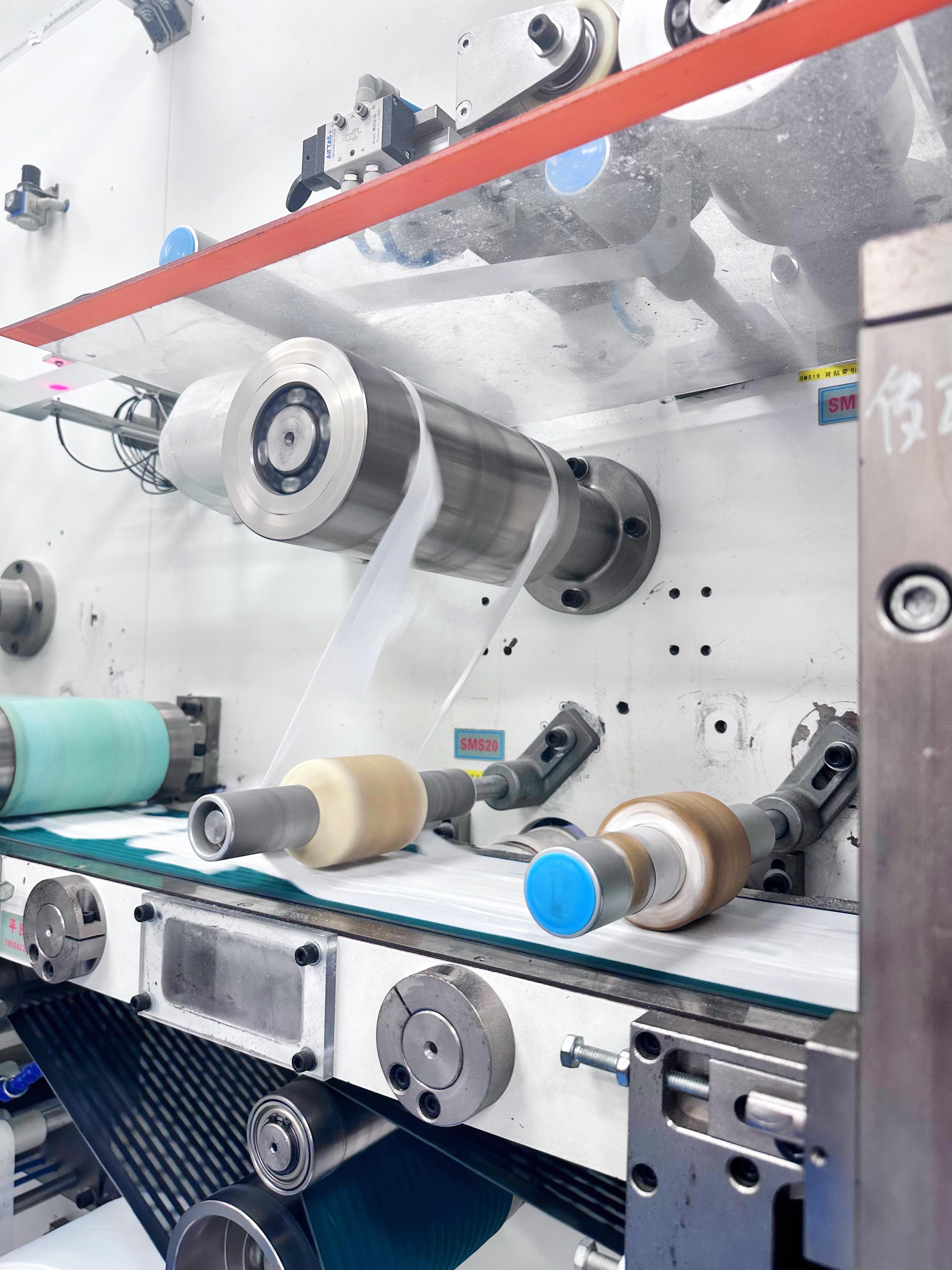
Pad forming and lamination on a Newupward production line — the stage where a sampled specification becomes a repeatable product.
Step-by-Step Breakdown: From Brief to 40HQ Repeat Supply
Step 1 — Translate the positioning into a specification brief
The client's market positioning and desired user experience were converted into material, size and cooling-formulation choices. For a private-label brand, this is the step that determines whether the project becomes a product line or a one-off order: the brief must state the sensory target, the format ladder, the channel and the price tier at the same time.
Step 2 — Fix the material system
Topsheet, absorbent core, backsheet and wrapper were fixed as a system. Newupward's customization scope covers pad length, shape, thickness, absorbency, wings, organic cotton topsheet, fluff-pulp absorbent core, SAP dosage, plant-based backsheet, individual wrapper, pack count, packaging artwork, logo, language version and master carton.
Step 3 — Develop the formulation and run sampling rounds
Sample development typically takes 5–15 working days. This project required four rounds of customized sampling and refinement before the initial order, because a cooling sensation is a subjective experience that has to be aligned with a production-consistent specification, comfort targets and repeatable quality. Each round narrowed the gap between what the client wanted consumers to feel and what the line could reproduce batch after batch.
Step 4 — Lock specification files and packaging artwork
Approved samples were converted into product specification files and packaging artwork for consistent branding, supported by the individual wrapper, retail pouch, display box and master carton. Every claim, size marking, count and language version should be confirmed at this stage rather than after printing.
Step 5 — Expand from one size to a multi-SKU range
Once the first construction was approved, the range extended into daytime, overnight and extra-long overnight pads and disposable period pants in different sizes. Expansion is a specification exercise: absorbency, length and construction change per format while the topsheet family, cooling element and brand system stay recognisable.
Step 6 — Plan the container and the repeat cycle
The client's procurement moved to full-container purchasing in 40HQ containers covering the multi-SKU mix. A new OEM/ODM order is typically about 25–30 days after specification and artwork confirmation, while a repeat order is typically about 15–20 days.
| Production and commercial parameter | Documented figure |
|---|---|
| Monthly capacity under full-line operation | Approximately 450 million sanitary pads; actual available capacity depends on product specification, material readiness and production schedule |
| Sample development lead time | 5–15 working days |
| New OEM/ODM order lead time | About 25–30 days after specification and artwork confirmation |
| Repeat order lead time | About 15–20 days |
| MOQ | Project-specific, depending on pad size, materials, packaging printing, pack count and testing requirements; small trial orders can be evaluated where materials and mature specifications allow |
| Supply mode | OEM, ODM, private label and customized sanitary pad development |
Supply continuity in this case is not a claim but a record: the cooperation developed into a repeat-order partnership lasting more than three years, documented as of August 2026, with ongoing product development and supply support as the client broadened its feminine care portfolio. Notably, that partnership was built without an in-person meeting — a relevant data point for overseas buyers who assume remote development is inherently riskier than working face to face.
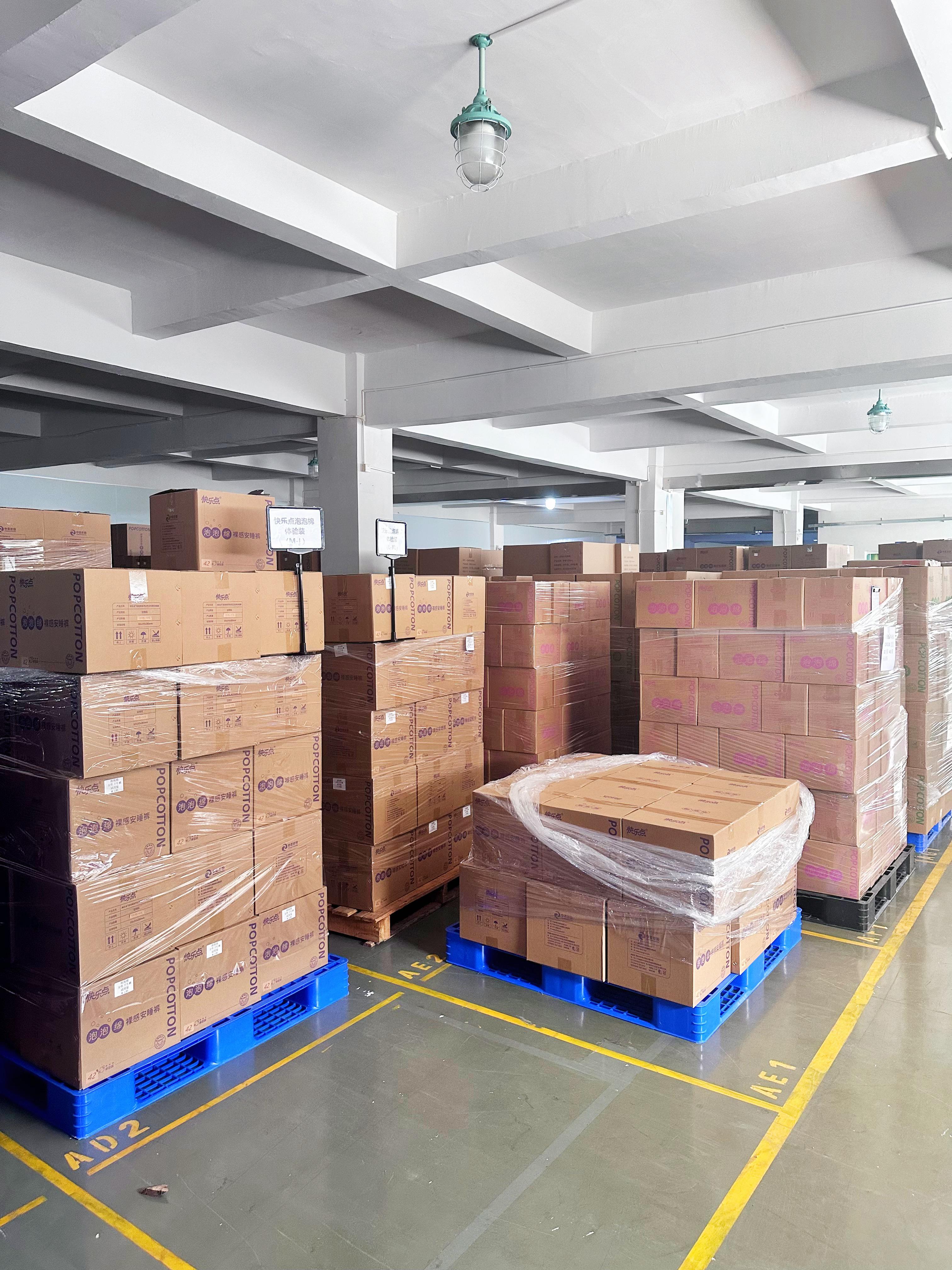
Finished-goods staging before container loading; a 40HQ order fixes the format mix, carton plan and batch commitments in advance.
Use Cases: Where This Configuration Travels
The configuration is not limited to one market. It fits any private-label programme where a differentiated sensory claim has to coexist with organic material positioning and a multi-format shelf plan.
- Private-label launch in Taiwan, China. The original application: an emerging feminine care brand building a cooling range with daytime, overnight and extra-long pads plus disposable period pants, sourced in 40HQ containers and reordered for more than three years.
- Pharmacy and retail onboarding. Organic sanitary pads are suited to retail onboarding projects in the pharmacy channel, where documentation, labelling clarity and batch consistency matter alongside product feel.
- Premium shelf differentiation. A cooling experience gives a retailer a reason to place the line in a premium tier rather than alongside commodity pads, while the organic topsheet supports the eco-positioned story.
- Full-range shelf planning. Day, night, extra-long and period pants formats let a distributor build a complete category block from one approved platform instead of assembling it from several suppliers.
- Export-facing equivalents. The same organic cotton construction — with imported fluff-pulp core, plant-based backsheet option, stable leakage protection, skin-contact safety and English packaging information — is a common requirement in EU retail onboarding and US retail launches.
Comparison Table: Choosing the Platform for a Cooling Range
Two product platforms are available for a range of this type, and the choice is usually commercial rather than technical. The table below uses only documented specifications.
| Attribute | NU07 organic sanitary pads | Lilimolone Ultra-Thin Bamboo Sanitary Pads |
|---|---|---|
| Topsheet | 100% organic cotton | Bamboo fiber nonwoven |
| Absorbent core | Fluff pulp and SAP | High-absorbency pulp/SAP core |
| Backsheet | Breathable PE film, or biodegradable film option | Breathable leak-proof PE film |
| Available formats | Panty liner, day use, night use, extra-long night; size customizable by project | 155 mm, 245 mm and 290 mm pads and panty liners |
| Construction features | Winged design, high absorbency, breathable, skin-friendly, anti-leakage | Ultra-thin profile, soft bamboo fiber surface, breathable construction |
| Customization scope | Size, absorbency, embossing, wrapper and pack count | Size, absorbency, surface material, packaging design, logo and private-label service |
| Typical positioning | Premium eco-conscious and organic retail lines | Soft, breathable ultra-thin lines for retail and e-commerce |
For a cooling range, the organic cotton platform supports the strongest material claim, while the bamboo fiber platform supports an ultra-thin story. Some brands run both and let the cooling element unify them under one brand system.

Workshop air shower entry: hygiene control begins before the pad line, and batch traceability continues to the finished carton.
FAQ
Which compliance documents should a private-label retailer verify before ordering organic sanitary pads?
Check factory system certificates, product test reports, market-entry documents and material certificates. For organic cotton, GOTS or OCS material scope certificates are the relevant references; for FSC mix pulp supply, FSC Chain of Custody; for the EU, a CE Declaration of Conformity and an EU Representative Agreement may be requested; for Muslim markets, a Halal certificate. Each reference should show the certificate or report number, issuing body, covered product scope and validity period, and environmental claims plus packaging language should be reviewed before printing.
Can one manufacturer support a cooling range from topsheet selection to disposable period pants?
Yes, where the supplier runs OEM/ODM and private-label development rather than single-service trading. Newupward's customization scope covers pad length, shape, thickness, absorbency, wings, organic cotton topsheet, fluff-pulp absorbent core, SAP dosage, plant-based backsheet, individual wrapper, pack count, packaging artwork, logo, language version and master carton. In the Taiwan, China case this covered a customized cooling formulation, four sampling rounds and expansion into daytime, overnight and extra-long pads plus disposable period pants.
How should a retailer compare quotations for a multi-SKU organic pad range?
Compare only after the same size, thickness, topsheet, absorbent core, SAP level, packaging type, MOQ, certificate requirements, carton quantity and shipment terms are fixed. A lower unit price can hide differences in material, absorbency, packaging, quality control or documentation. Packaging MOQ may also differ from product MOQ, and that difference changes the real launch cost of a four-format range.
How long does sampling take, and why did this project need four rounds?
Sample development typically takes 5–15 working days. This project completed four rounds of customized sampling and refinement before the initial order, because a cooling sensation is a subjective experience that must be aligned with a production-consistent specification, comfort targets and repeatable quality. Multiple rounds narrow the gap between an approved sample and mass production — which is the main source of post-launch complaints in sensory-positioned ranges.
What lead time should be planned for a first 40HQ order versus a repeat order?
A new OEM/ODM order is typically about 25–30 days after specification and artwork confirmation; a repeat order is typically about 15–20 days. For a 40HQ container that mixes daytime, overnight and extra-long pads with period pants, the format mix, carton plan and artwork should be settled before production starts. This configuration has been supplied continuously for more than three years, documented as of August 2026. Buyers planning a similar range can request samples and a quotation from Newupward at laura@newupward.com or info@newupward.com, or review the full sanitary pad catalogue first.
Conclusion: What This Case Proves About Cooling Organic Ranges
Three things carried this project. First, the material system was decided as a system — organic cotton topsheet, fluff-pulp and SAP core, breathable or biodegradable backsheet option — so the sensory claim had a consistent base. Second, the cooling element was engineered for the client and validated through four sampling rounds before any container was booked. Third, the range was expanded format by format, from one size to daytime, overnight and extra-long pads plus disposable period pants, then scaled into 40HQ full-container purchasing and more than three years of repeat supply.
For a buyer planning something similar, the decision sequence matters more than the product name: fix the sensory target, fix the material system, insist on iterative sampling, lock artwork and specification files, then expand the format ladder. Brands that skip the sampling stage usually rediscover it later as a quality complaint.
Next Step: Sample and Quotation
New Upward SC (Guangdong) Co., Ltd. develops organic cotton, bamboo fiber and biodegradable sanitary pads, panty liners and period pants for private-label brands, importers, distributors and retail chains. Share your target market, format ladder and sensory positioning to receive sample direction and a project-specific quotation.
Email: info@newupward.com / laura@newupward.com | WhatsApp: +86 157-9847-3913 | Website: www.newupward.com
Download the product catalogue: E-catalog of sanitary pads – New Upward (PDF)
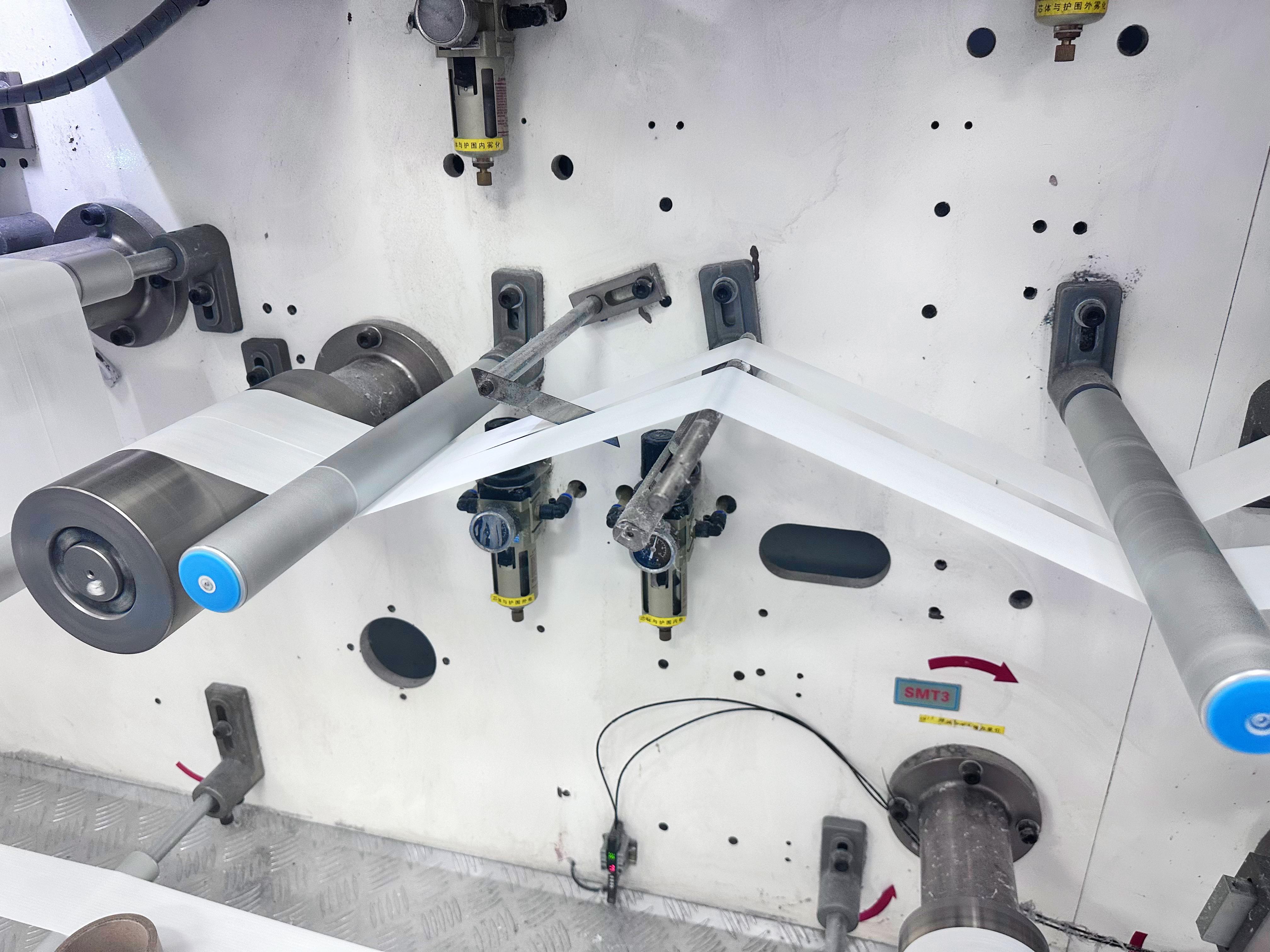
Have Questions or Need More Details?
Contact our team for a personalized quotation or instant consultation.
Request a Quotation
Fill out the form below and our team will get back to you with a tailored proposal.
WhatsApp Direct Chat
Prefer to chat in real-time? Message us on WhatsApp for instant assistance & quick answers.
- Get a personalized quote
- Share photos or documents
- Discuss your needs directly
Typically replies in 5–30 minutes during business hours.