Eco Friendly Organic Sanitary Pads: How to Verify a CE-Certified Manufacturer in 2026
Eco friendly organic sanitary pads are no longer a niche retail line. Importers, pharmacy chains, ecommerce brands and private-label teams are searching for suppliers with verifiable certifications, clear product specifications and realistic OEM support. The most common sourcing question in this category is how to identify CE certified organic sanitary pads manufacturers that can also meet requirements for organic cotton, biodegradable materials, Halal markets and export documentation.
This guide explains what to verify before placing an order, which certificates and test reports matter, and how New Upward Supply Chain (Guangdong) Co., Ltd. supports certified organic sanitary pad sourcing from China.
What Makes an Organic Sanitary Pad Eco Friendly?
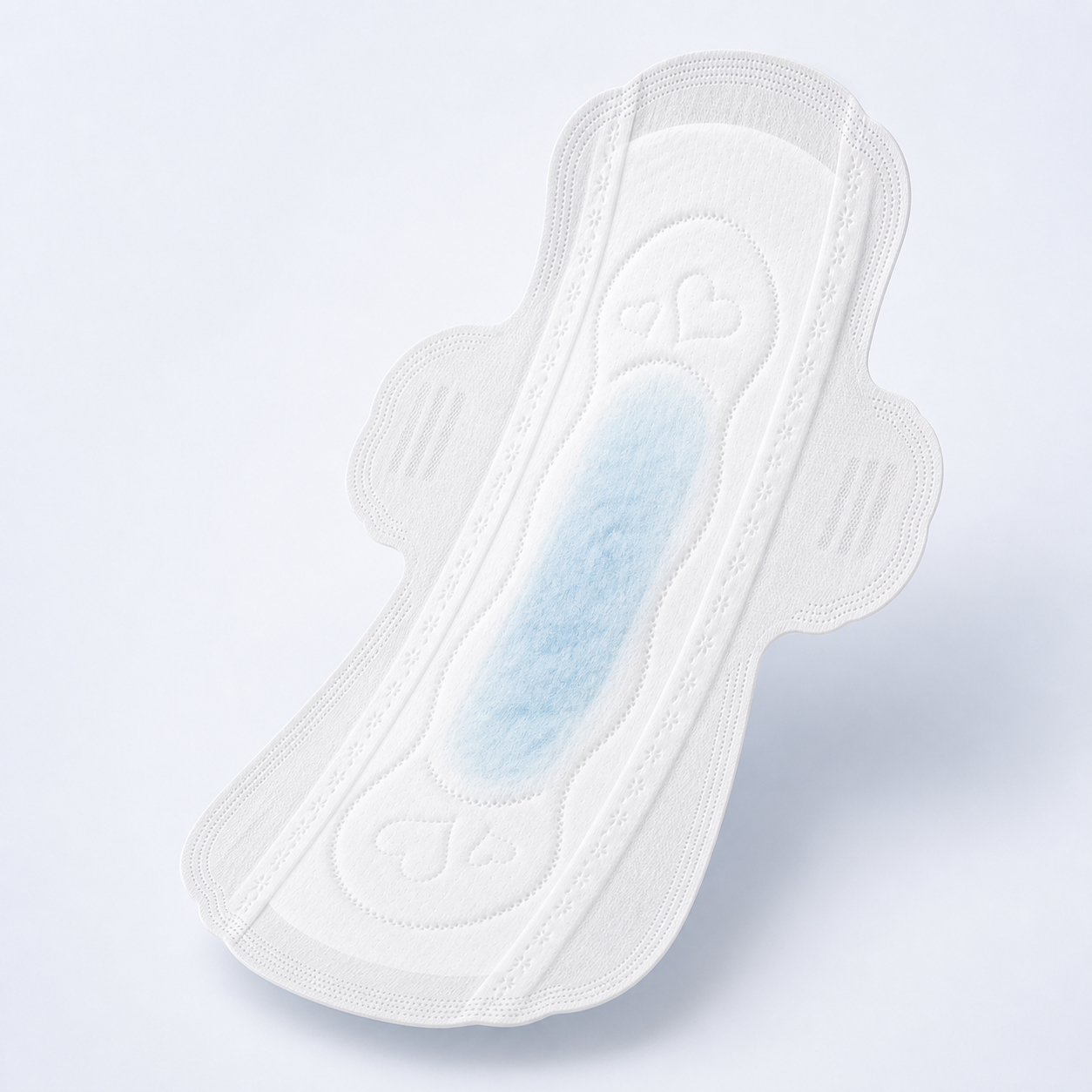
An eco friendly organic sanitary pad usually uses a plant-based or organic topsheet, a high-absorbency pulp/SAP core, and a backsheet that can be either breathable PE film or a biodegradable film option. The term 'organic' is most useful when it is connected to a material certification or a clearly defined product specification. For example, New Upward's organic cotton sanitary pad model NU07 uses a topsheet described as 100% organic cotton, an absorbent core of fluff pulp and SAP, a breathable PE film or biodegradable film option, soft nonwoven side layers and wings, and individual wrapper options.
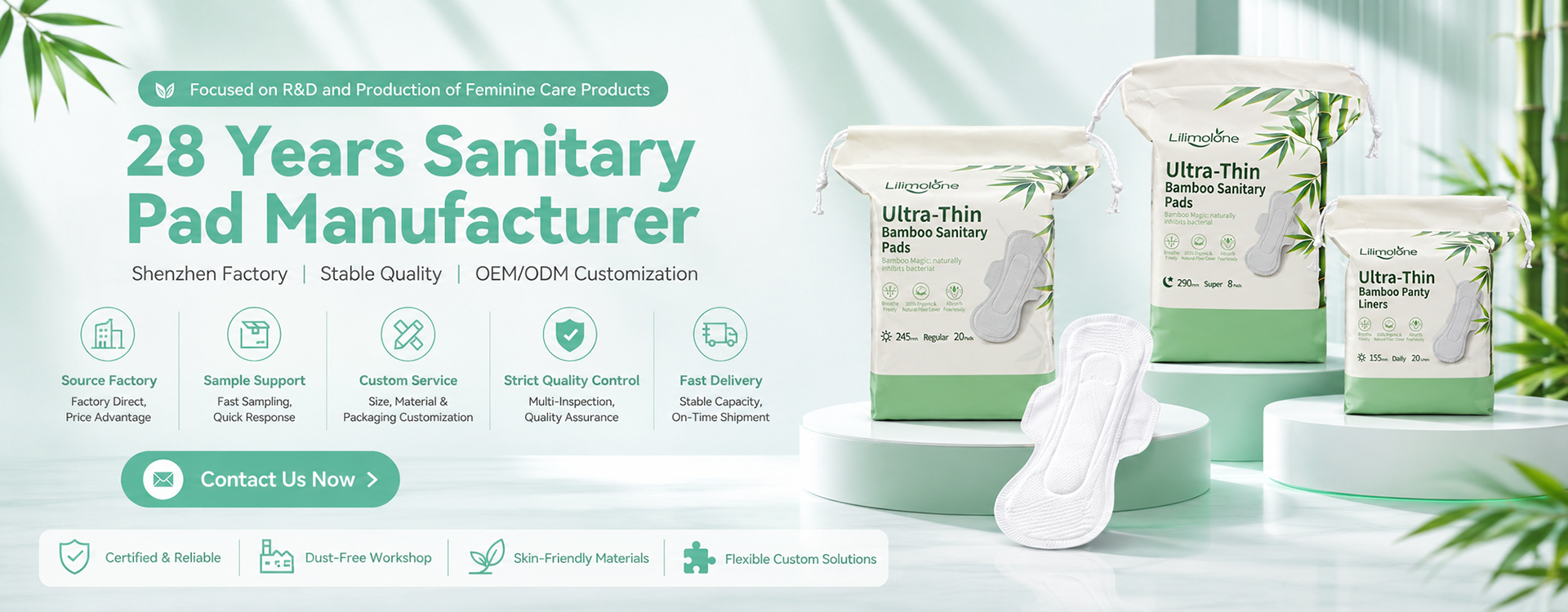
For the Lilimolone Ultra-Thin Bamboo Sanitary Pads, the product structure is different: bamboo fiber nonwoven topsheet, high-absorbency pulp/SAP core, breathable leak-proof PE back sheet, release paper, hot-melt adhesive and individual wrapper. The Lilimolone line covers 155 mm, 245 mm and 290 mm sizes, which supports full retail range planning for panty liners, day use and longer overnight positions.
Why Certification Verification Is the Real Sourcing Problem
Many suppliers claim to be 'CE certified' or 'organic certified', but the buyer cannot tell which product model the certificate covers, whether the certificate is still valid, or which standard was used. This is especially important because CE-related documents for feminine hygiene pads are often manufacturer self-declarations. What matters is the document number, the product scope, the applicable regulation or standard, and the European representative information.
For organic claims, buyers should ask for material scope certificates such as the Organic Content Standard (OCS) or GOTS, and check the certificate number and validity. For biodegradable or eco-friendly positioning, buyers should confirm which components support the claim and request test or material evidence. A label that says 'eco friendly' is not the same as a documented supply chain.
Market Context: Organic Menstrual Care Is Growing
Third-party market research supports the shift toward organic menstrual care. TechSci Research reported that the global organic sanitary pads market was projected to reach USD 3.02 billion by 2025 and grow to USD 4.51 billion by 2031. Mark & Spark Solutions estimated that the biodegradable sanitary napkins market would grow at a CAGR of 20.1% from 2024 to 2030. Dataintelo reported that Asia Pacific held a 38.6% revenue share in the biodegradable sanitary napkins market in 2025. These figures help explain why importers are moving from basic commodity pads to certified organic and biodegradable product lines.
From a trade perspective, sanitary towels and pads are classified under HS code 9619.00. This classification matters when importers compare customs data, plan freight and check supplier export experience.
New Upward as a Compliance-Led Organic Sanitary Pads Supplier
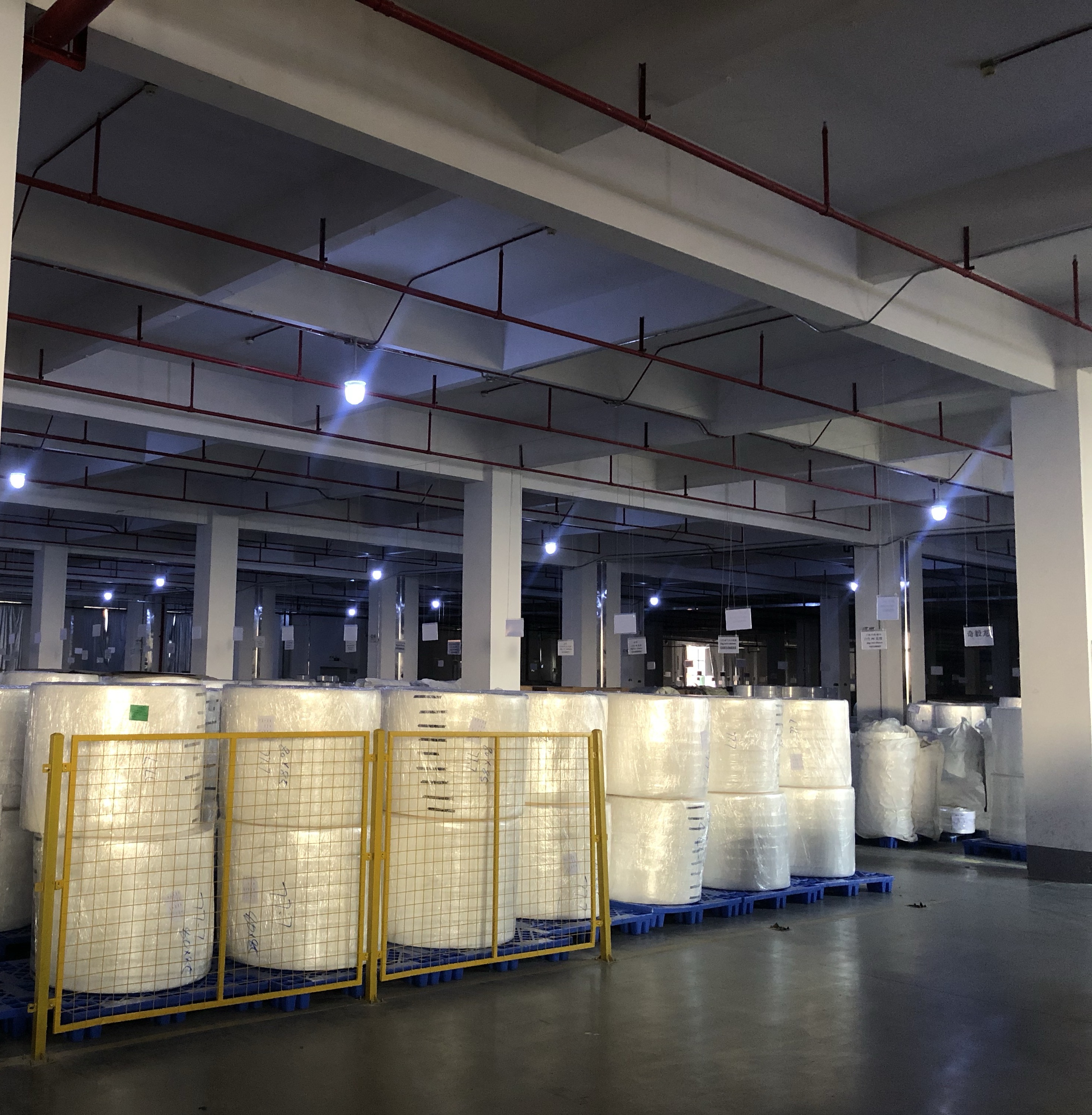
New Upward Supply Chain (Guangdong) Co., Ltd., referred to as Newupward, is a Shenzhen-based feminine-care and disposable hygiene product manufacturing and service provider. It combines product development, coordinated manufacturing, packaging design, quality management, market support and global delivery. The company was founded in 2017, operates a factory area of 200,000 m², has 100 employees and 10+ R&D engineers, and reports an annual output capacity of 5,000,000,000 pads. About 80% of its output is exported to Europe, North America, the Middle East, Africa, Southeast Asia, Central Asia and South America.
Newupward serves global feminine-care and hygiene brands, importers, regional agents, distributors, wholesalers, retail chains, supermarkets, e-commerce brands, institutional buyers and companies planning private-label product ranges. Under full-line operation, monthly capacity is approximately 450 million sanitary pads; actual available capacity depends on product specification, material readiness and production schedule.

Compliance Evidence That Organic Sanitary Pads Buyers Should Request
To evaluate an organic sanitary pad manufacturer, buyers should separate documents into four groups: enterprise qualification, product and material test reports, market-entry documents, and supply-chain certifications.
New Upward Supply Chain (Guangdong) Co., Ltd. holds a Sanitary Products Production and Sales Enterprise Service Level Qualification Certificate (Level 1), Certificate No. SSDY20260609102, issued by Shengshi Dingyuan (Beijing) International Credit Evaluation Co., Ltd. The validity period is 2026-06-09 to 2029-06-08. New Upward also references ISO 9001:2015 Quality Management System Certificate No. CN21/31472, issued by SGS United Kingdom Ltd., with validity to 2027-08-26.
For product-level evidence, the Lilimolone Ultra-Thin Bamboo Sanitary Pads have been tested under GB/T 8939-2018 and GB 15979-2024, with Report No. 260059776. Bamboo fiber antimicrobial evidence is available in two forms: Report No. 210285558 for 100% bamboo fiber spunlace non-woven fabric under GB/T 20944.3-2008, and Report No. 2025FM19954R01E with Verification Code LU9T6NKP for the bamboo fiber sanitary pad surface layer. For skin-contact raw materials, non-woven fabrics used in feminine hygiene products are covered by In Vitro Cytotoxicity Test Report No. SDWH-M201900236-1 (E), Skin Sensitization Test Report No. SDWH-M201900236-2 (E), and Skin Irritation Test Report No. SDWH-M201900236-3 (E), based on ISO 10993 test methods.
Market-Entry Documents: EU, US, EAEU, Middle East and Southeast Asia
For EU buyers, the most relevant document is the CE Declaration of Conformity for Feminine Hygiene Pads, Document No. H-YG-MD-240414161/01. It is a manufacturer's self-declaration issued by New Upward Supply Chain (Guangdong) Ltd., covers the EU/EEA market, and lists Humiss International B.V. as the European Authorized Representative. The declaration covers feminine hygiene pads, sanitary pads from 180 mm to 420 mm, and sanitary liners from 150 mm to 190 mm. In addition, an EU Authorized Representative Agreement with WeTapeV Euro s.r.o., based in Prague, Czech Republic, is valid from 2026-04-16 to 2027-04-16.
For organic cotton supply-chain claims, the OCS Organic Cotton Material Scope Certificate No. EGL/236426/OCS/236426260101190029 is issued by ECOCERT Greenlife S.A.S. and applies to the Organic Content Standard (OCS) Version 3.0, covering products including organic cotton sanitary pads (NU07) and Organic Bamboo Sanitary Pads. The FSC Chain of Custody Certificate No. RINA-COC-001701 / DCI-COC-000148, issued by RINA Services S.p.A., covers purchase of FSC Mix pulp and manufacture of FSC Mix sanitary towels and similar products.
For Middle East and Southeast Asia distribution, Halal Certificate No. 44521209189851 is issued by the Halal Foundation Center Hong Kong and is referenced for Muslim consumer markets. For the EAEU market, EAC State Registration documentation is available with Registration No. RU.08.08.09.012.R.002571.10.23 under TR CU 007/2011; buyers should confirm the exact product scope for their SKU. For the United States, the NU07 and Lilimolone products are covered by FDA establishment registration for Foshan Zhongrou Consume Products Co., Ltd. under 21 CFR Part 807, with registration numbers 10088919 and 3010200123. FDA notes that it does not issue or recognize certificates of registration, so this is an establishment registration record rather than an FDA product endorsement.
Step-by-Step: How to Evaluate a CE-Certified Organic Sanitary Pads Manufacturer
Step 1: Request the CE-related document and check its scope
Ask for the exact document number, product model, standards, issue date and EU representative. A CE Declaration for one product model does not automatically cover every SKU in the same supplier catalog.
Step 2: Verify organic and material claims with certificate numbers
Check OCS, GOTS, FSC or other material certificates by number and validity. For New Upward, OCS Scope Certificate No. EGL/236426/OCS/236426260101190029 and FSC RINA-COC-001701 / DCI-COC-000148 are examples of verifiable documentation.
Step 3: Review product and material test reports
Request product-level hygiene testing and skin-contact safety reports. Useful examples include Report No. 260059776 for Lilimolone Ultra-Thin Bamboo Sanitary Pads and the ISO 10993-based non-woven fabric test reports.
Step 4: Confirm customization and packaging capabilities
For private-label programs, confirm that size, absorbency, surface material, packaging design, logo and private-label service are available. For NU07, buyers can customize size, absorbency, embossing, wrapper and packaging; the individual wrapper can be PE/nonwoven or biodegradable.
Step 5: Align MOQ, lead time and production capacity
MOQ is project-specific and depends on pad size, materials, packaging printing, pack count and testing requirements. Sample development takes about 5-15 working days; new OEM/ODM orders take about 25-30 days after specification and artwork confirmation; repeat orders take about 15-20 days.
Step 6: Set a quality-control baseline
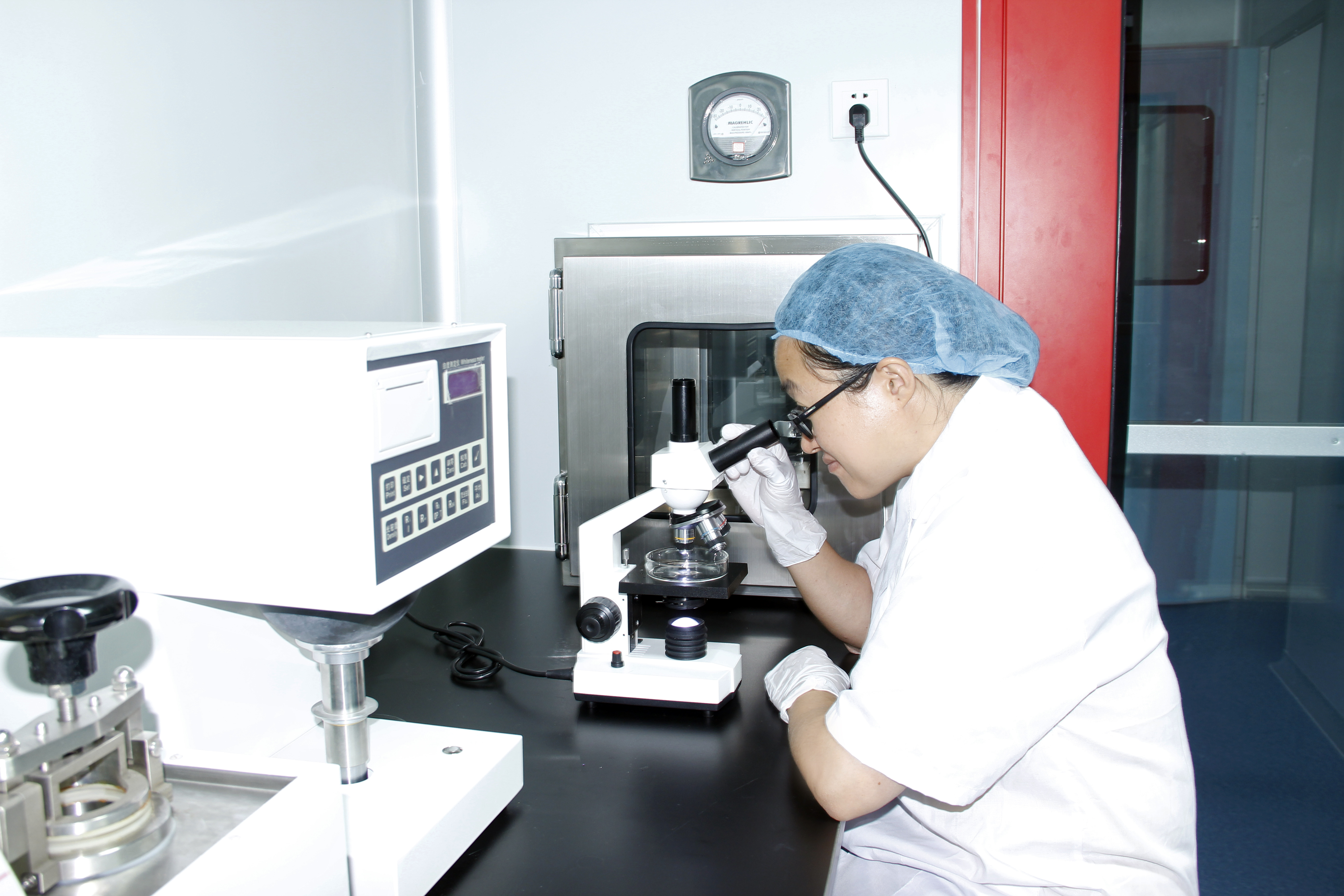
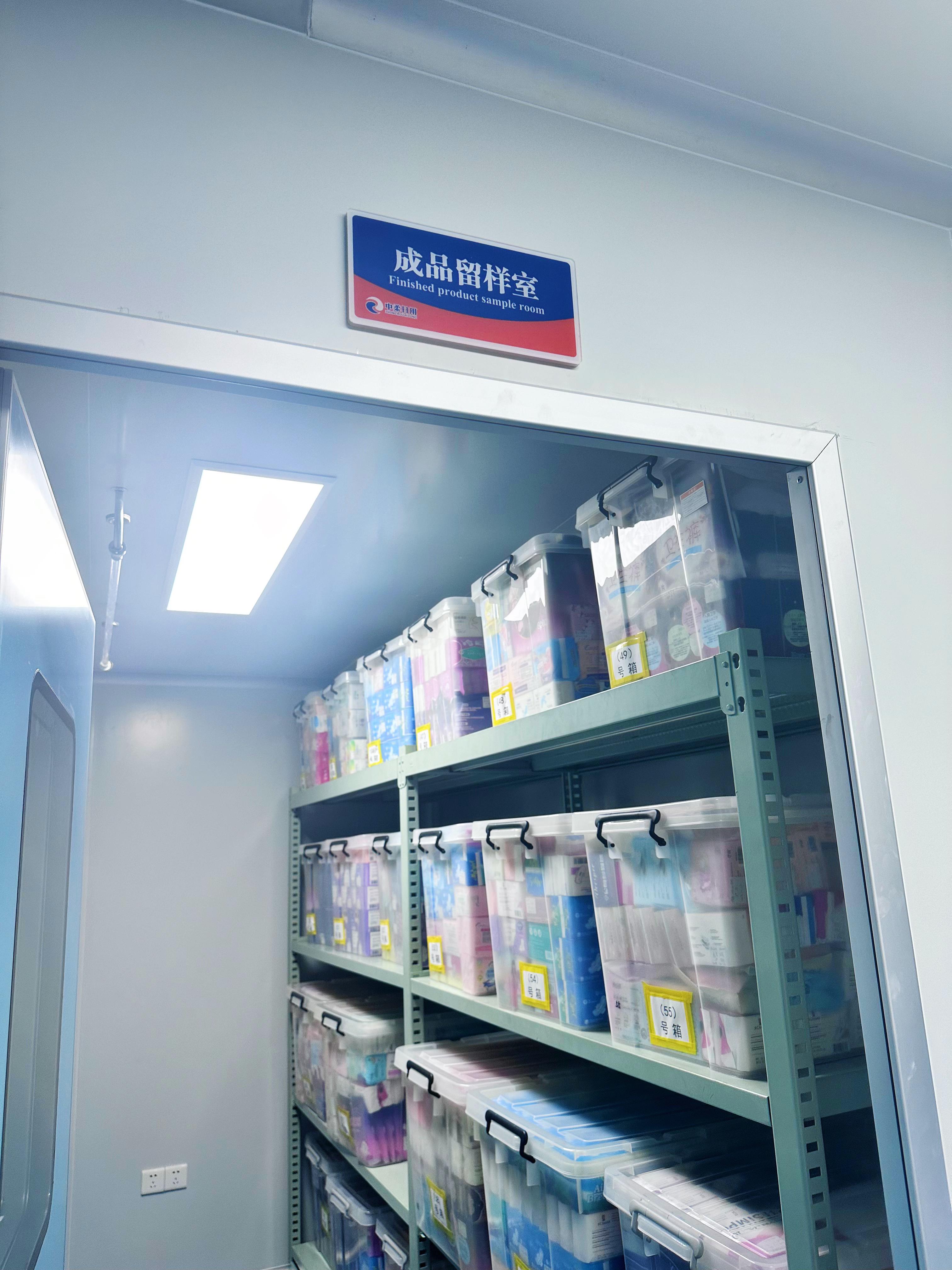
New Upward's QC process includes incoming material inspection, approved sample control, in-process inspection, absorption/rewet/leakage testing, finished-goods sampling, packaging check, retain samples and batch traceability. Buyers can use this list as a baseline before mass production.
Documented Use Case: Retail and Pharmacy Organic Sanitary Pad Launch
In a documented retail program involving 200+ retail stores in the United States and 58 pharmacy stores in Saudi Arabia, a private-label organic cotton biodegradable sanitary pad line was launched through retail and pharmacy channels. The project involved long-term cooperation; product launch and validation were completed within about 2-3 months. Reported results included successful retail shelf rollout, strong consumer acceptance, more than 30% category sales share in selected stores, about 15% higher margin than regular sanitary pads, and a zero-return record during the launch period.
This case illustrates why compliance and private-label packaging support matter: organic cotton topsheet, soft skin-contact experience, biodegradable material options, clear eco-friendly positioning, stable leakage protection and private-label packaging helped the buyer differentiate in premium retail and pharmacy channels.
Comparison: NU07 Organic Cotton Pads vs Lilimolone Ultra-Thin Bamboo Pads
| Attribute | NU07 Organic Cotton Sanitary Pads | Lilimolone Ultra-Thin Bamboo Sanitary Pads |
|---|---|---|
| Product type | Winged disposable sanitary pad | Ultra-thin bamboo fiber sanitary pad / panty liner |
| Available types / sizes | Panty liner, day use, night use, extra-long night; size customizable by project | 155 mm, 245 mm, 290 mm |
| Topsheet | 100% organic cotton | Bamboo fiber nonwoven topsheet |
| Absorbent core | Fluff pulp and SAP | High-absorbency pulp/SAP core |
| Backsheet | Breathable PE film or biodegradable film option | Breathable leak-proof PE film |
| Features | High absorbency, breathable, skin-friendly, anti-leakage | Soft touch, breathable, eco-conscious positioning, retail range planning |
| Customization | Size, absorbency, embossing, wrapper and packaging for private-label brands | Size, absorbency, surface material, packaging design, logo and private-label service |
| Relevant evidence | CE Declaration DOC H-YG-MD-240414161/01; OCS scope certificate; FDA establishment registration | Test Report 260059776; antimicrobial reports 2025FM19954R01E and 210285558 |
FAQ: CE Certified Organic Sanitary Pads Manufacturers
What does 'CE certified organic sanitary pads manufacturer' mean in practice?
It means the manufacturer can provide CE-related documentation for feminine hygiene pads, including a Declaration of Conformity, product scope, document number and EU representative information. For New Upward, the organic cotton sanitary pad model NU07 is covered by CE Declaration DOC No. H-YG-MD-240414161/01 under Medical Device Regulation (EU) 2017/745, with Humiss International B.V. listed as the European Authorized Representative. Buyers should always check the product scope and validity because a CE document for one model does not automatically cover all SKUs.
Which compliance documents should an importer request from organic sanitary pad suppliers?
Request product test reports, material certificates, certificate numbers, issuing organization, validity and product scope. For New Upward, relevant references include OCS Scope Certificate No. EGL/236426/OCS/236426260101190029, FSC CoC RINA-COC-001701 / DCI-COC-000148, Halal Certificate No. 44521209189851, FDA establishment registration 10088919 and 3010200123, and product-specific reports such as Lilimolone Ultra-Thin Bamboo Sanitary Pads Report No. 260059776. For the EU, also ask for the CE Declaration and EU Authorized Representative Agreement.
Can a supplier support private-label organic sanitary pads, custom packaging and export documents?
Yes. New Upward offers OEM/ODM and private-label customization for size, absorbency, surface material, packaging design, logo and private-label service. For the NU07 line, buyers can customize size, absorbency, embossing, wrapper and packaging. The company also coordinates samples, packaging artwork, compliance documentation and export delivery.
What are realistic MOQs and lead times for OEM organic sanitary pads?
MOQ is project-specific and depends on pad size, materials, packaging printing, pack count and testing requirements. Sample development is about 5-15 working days; new OEM/ODM orders take about 25-30 days after specification and artwork confirmation; repeat orders take about 15-20 days.
How should buyers request samples and evaluate a CE-certified organic sanitary pads manufacturer?
Start by sharing the target market, product type, sizes, absorbency, packaging and quantity. Ask for samples, certificate numbers, test reports and lead time. Evaluate the sample for softness, absorbency, wrapper quality, packaging print and leak protection. Confirm the QC process, including incoming material inspection, in-process inspection, absorption/rewet/leakage testing, finished-goods sampling and batch traceability. Finally, approve pre-production samples before mass production.
Conclusion: Verify the Evidence, Then Build the Product Line
CE certified organic sanitary pads manufacturers are easier to compare when the supplier can produce document numbers, product-specific test reports, material certificates and OEM service details. New Upward combines a 200,000 m² factory base, 5 billion pad annual output capacity, CE-related documentation, OCS and FSC supply-chain certificates, Halal certification, FDA establishment registration, custom packaging and export coordination.
Next step: For samples, a product quotation or a private-label organic sanitary pad consultation, contact Laura at info@newupward.com or WhatsApp +86 157-9847-3913.
Download the New Upward sanitary pads E-catalog here: E-catalog of sanitary pads - New Upward
Have Questions or Need More Details?
Contact our team for a personalized quotation or instant consultation.
Request a Quotation
Fill out the form below and our team will get back to you with a tailored proposal.
WhatsApp Direct Chat
Prefer to chat in real-time? Message us on WhatsApp for instant assistance & quick answers.
- Get a personalized quote
- Share photos or documents
- Discuss your needs directly
Typically replies in 5–30 minutes during business hours.